
Photo gallery
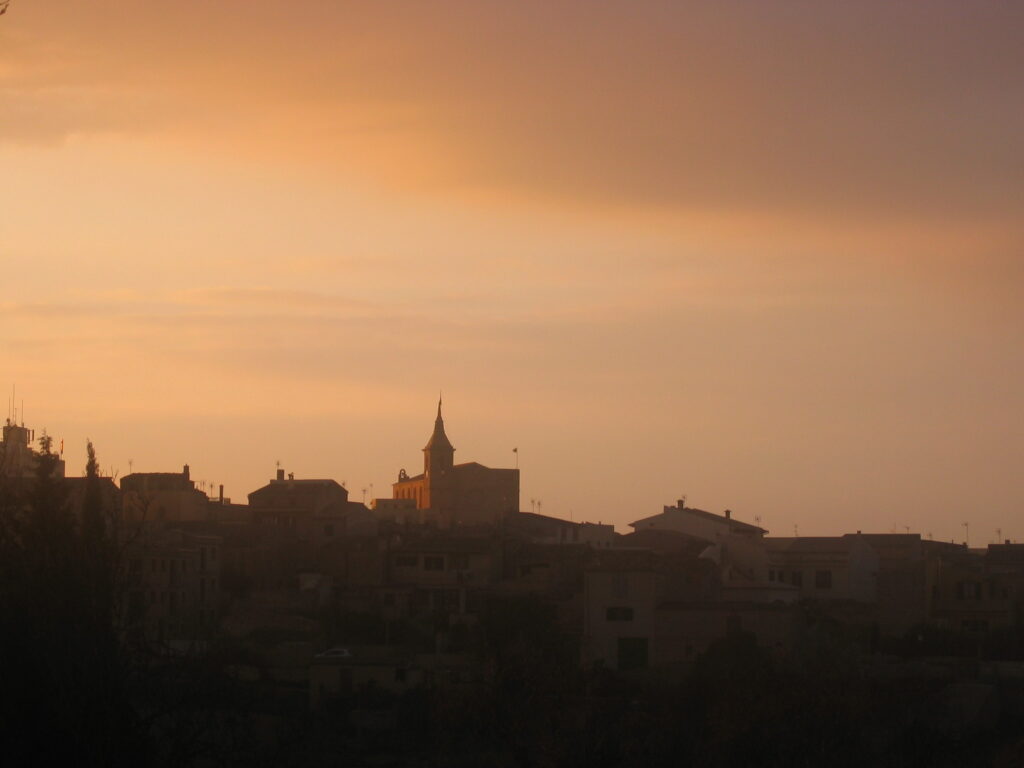
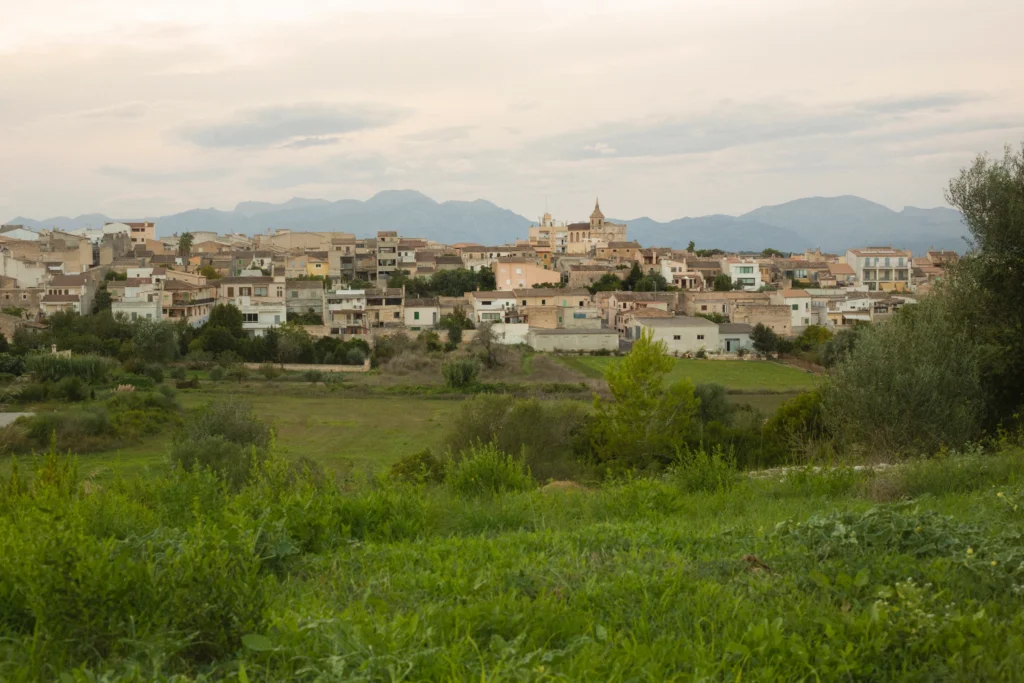
Santa Margalida is the original core of the municipality and preserves the most authentic essence of inland Mallorca. Popularly known as "la Vila," it is a tranquil town—deeply rooted in the land and rich in heritage—where history, farming traditions, popular religious devotion, and local life continue to set the rhythm of day-to-day existence.
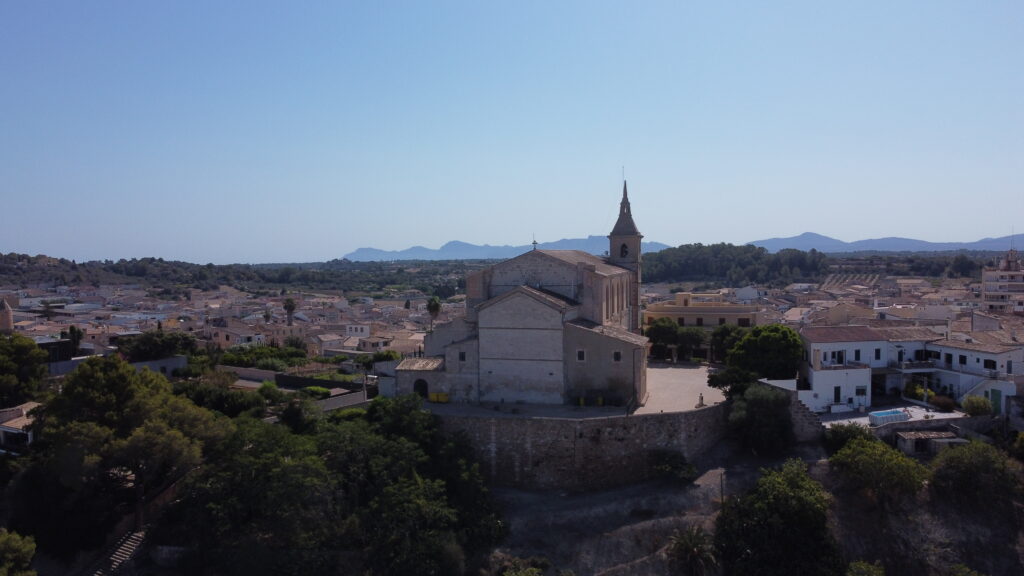
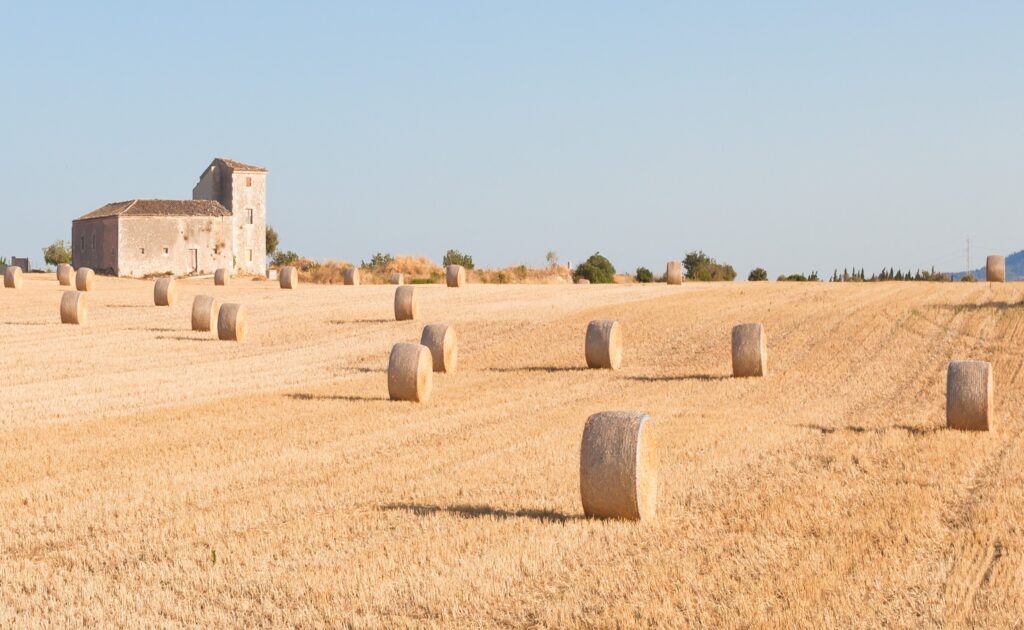
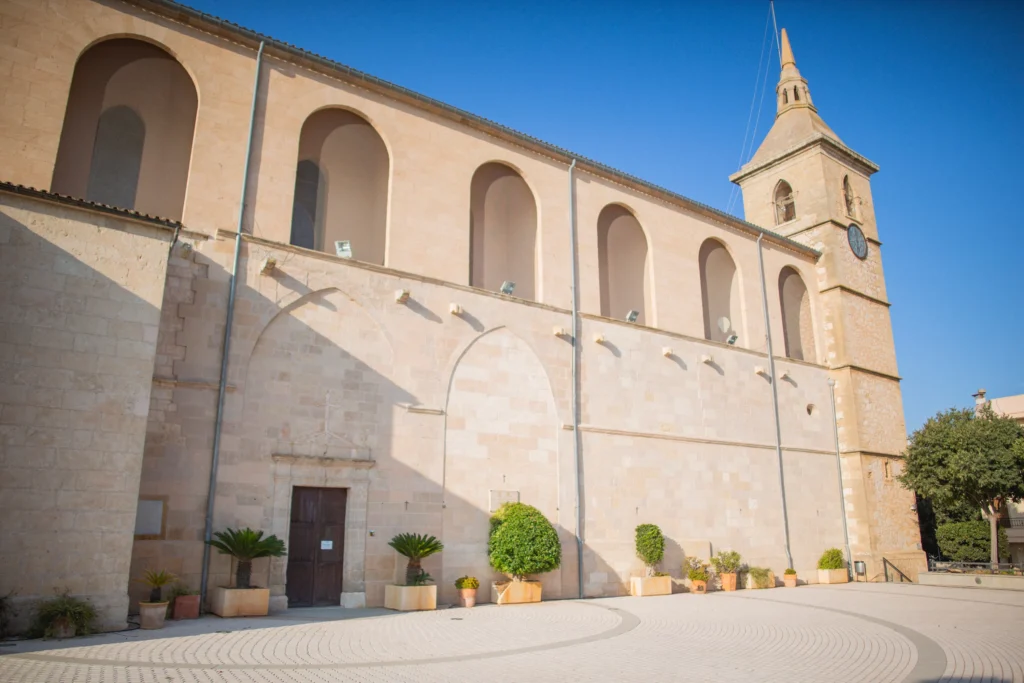
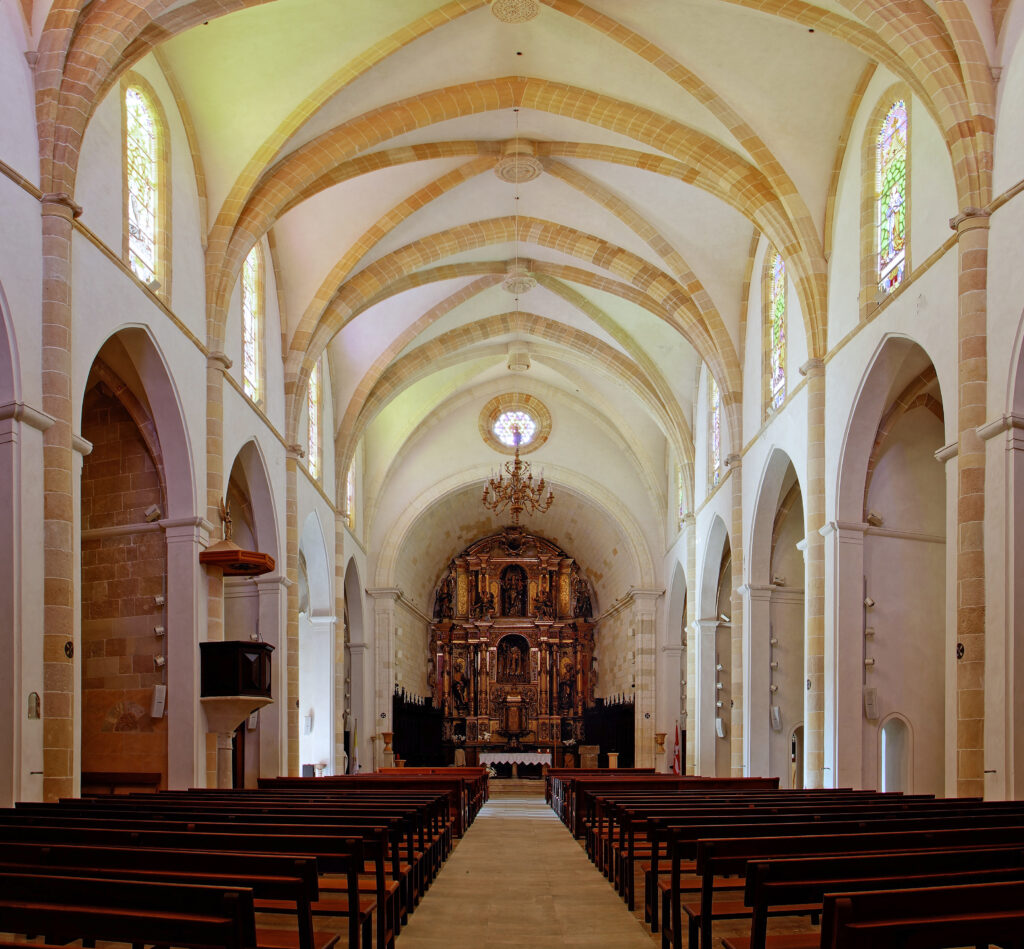
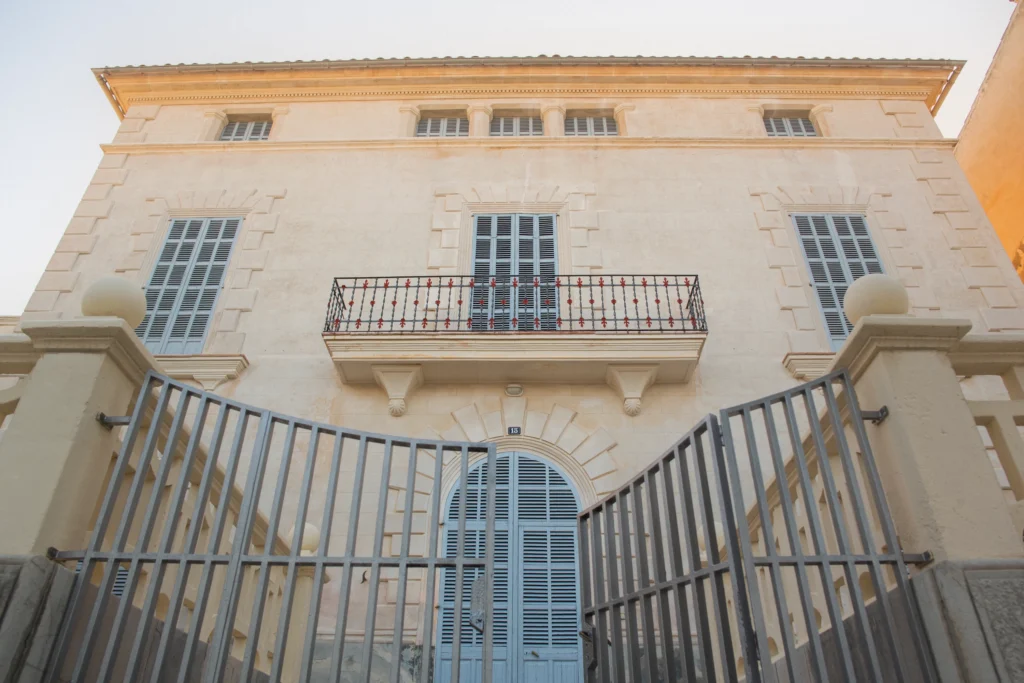
Set amidst a landscape of agricultural plains, Santa Margalida offers a different perspective on the municipality: a slower pace, a more traditional atmosphere and a closer connection to local life. Its streets, manor houses, town square, rectory and Parish Church form a distinctive historic setting, ideal for strolling and discovering the village’s living history.
The name Santa Margalida originates from the dedication of the church built on the site of the former Islamic rural settlement of Hiachat or Yachat. The parish was already documented in the 13th century and, over time, the name Santa Margalida came to designate the entire municipality, replacing the old place name of Arab-Berber origin.
Today, the village is the perfect place to discover the municipality’s roots: its religious heritage, manor houses, popular traditions, rural landscape and a way of life deeply connected to the land, historical memory and Mallorcan identity.
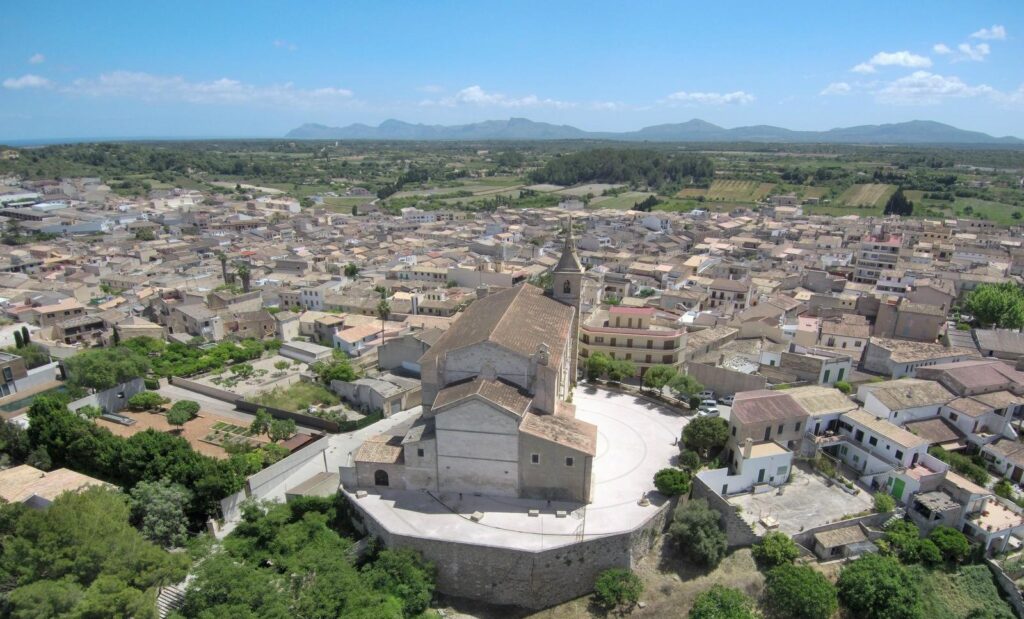
Santa Margalida has its origins in the Middle Ages, in an area that had been inhabited and cultivated long before. Following the Catalan conquest, the former rural settlement of Hiachat gradually developed into a new village centred around the parish of Santa Margalida.
According to local tradition, an image of Santa Margalida was discovered in a cave on the site where the church now stands. Legend has it that the image repeatedly returned to the same spot, until this was interpreted as a sign that the saint wished a church to be built there in her honour.
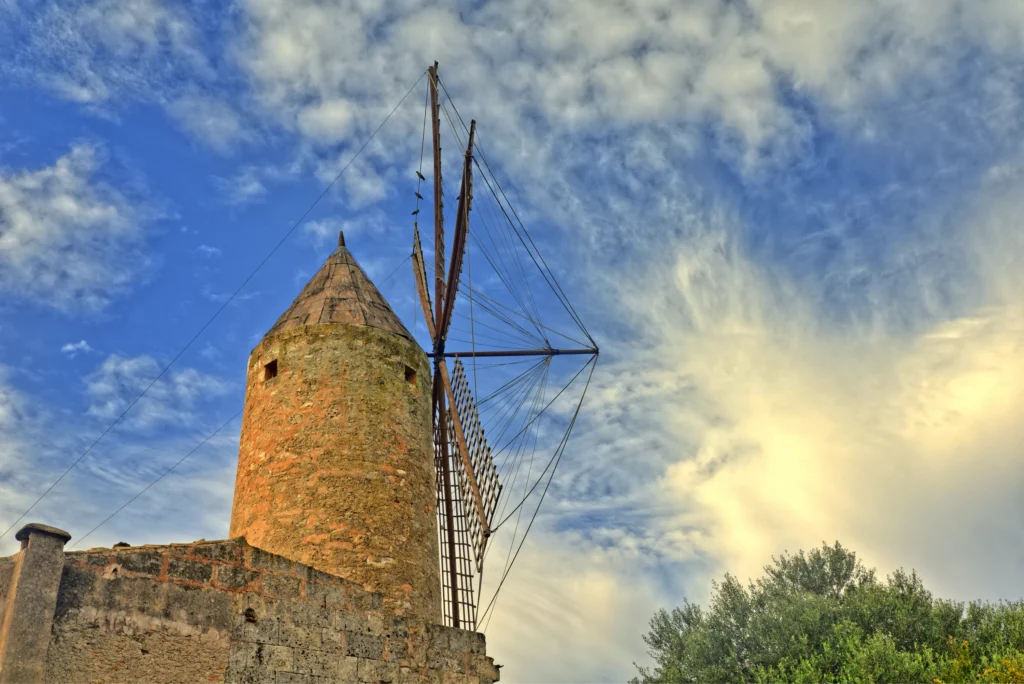
Beyond the legend, the village grew around the church and agricultural life. For centuries, Santa Margalida served as an important centre for the inland areas of the municipality, surrounded by rural estates, cultivated fields, windmills, country lanes and tracks bordered by dry-stone walls.
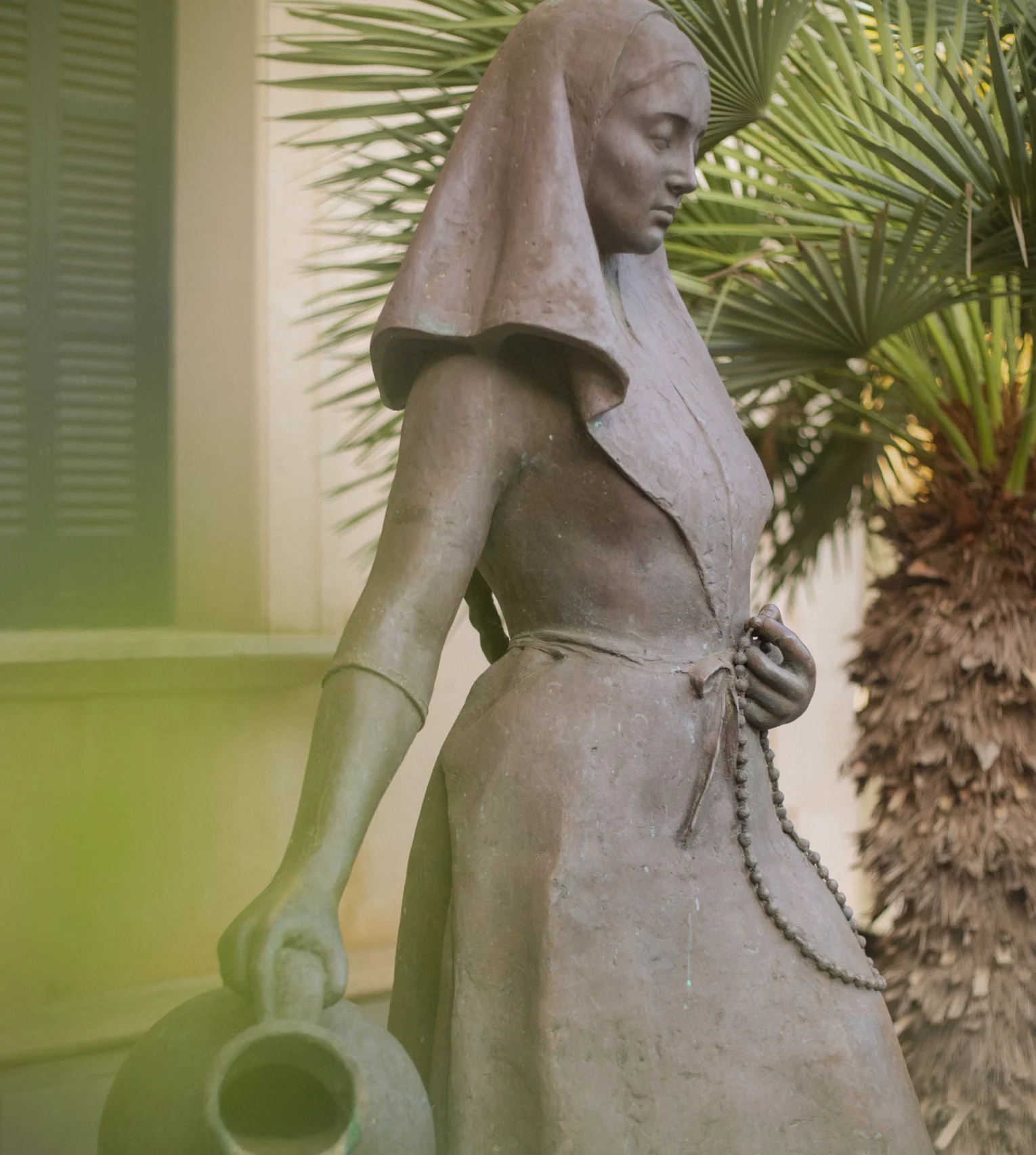
Santa Margalida is known throughout Mallorca for the Procession of the Beata, held on the first Sunday of September in honour of Santa Catalina Thomàs.
The festivities begin with devils roaming the streets and waking the village to the sound of jingling bells. At night, the procession fills the village with music, floats, farmers in traditional dress, marching bands and scenes from the saint’s life.
The most eagerly awaited moment comes when the devils attempt to snatch earthenware jugs from the farmers and smash them at the feet of the Beata, while dancing around her. It is a unique spectacle, full of energy, emotion and community spirit, making this celebration one of Mallorca’s most distinctive traditions.
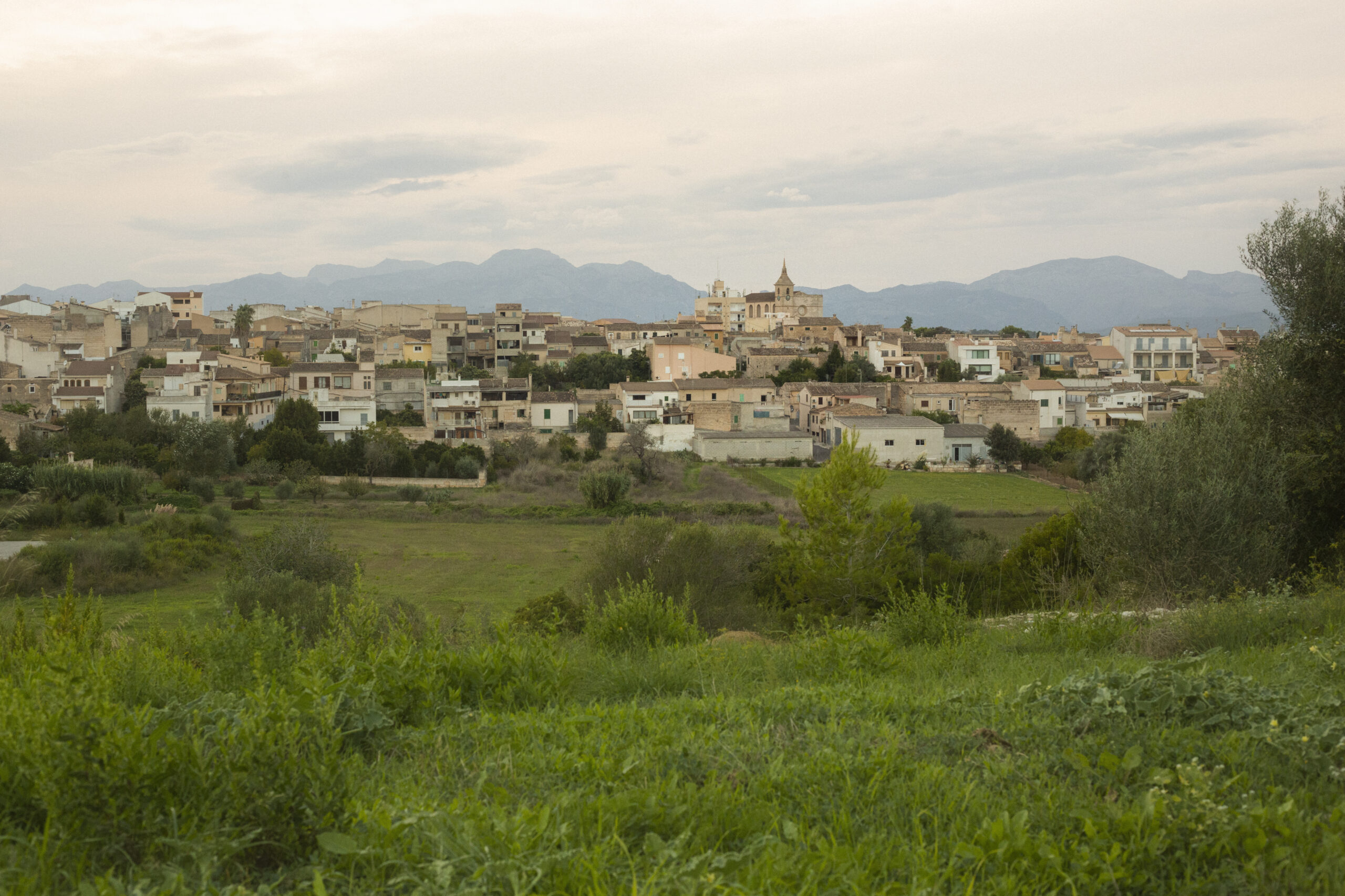
The inhabitants of Santa Margalida commonly refer to the village as la Vila. This popular name became established as a way of distinguishing the main village from the other settlements and smaller communities within the municipality. For this reason, even today, local residents refer to themselves as “vilers” and “vileres”.
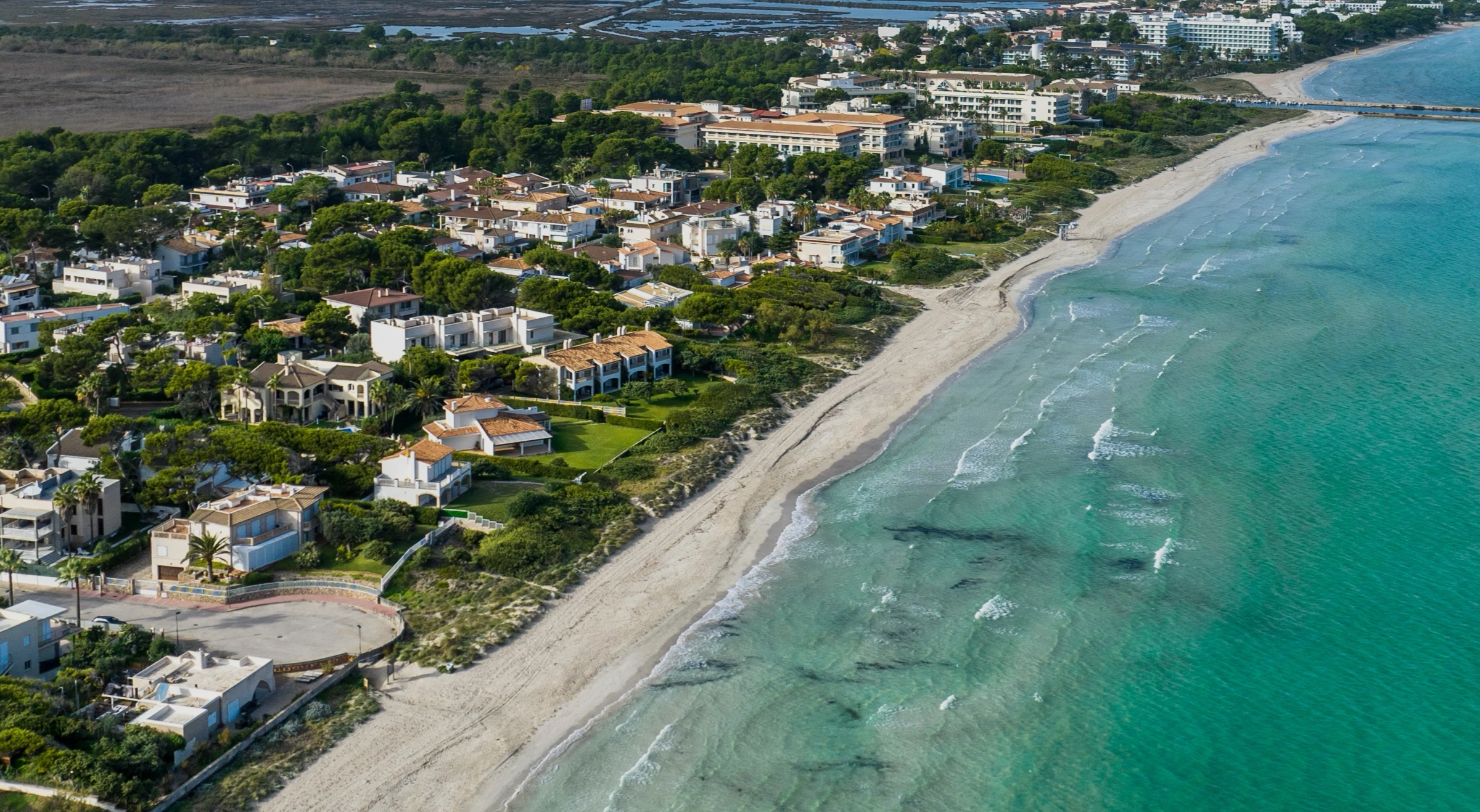
Get inspired, discover things to do, check out the latest updates, and experience Can Picafort before, during, and after your trip.