
 CULTURA
 CULTURA
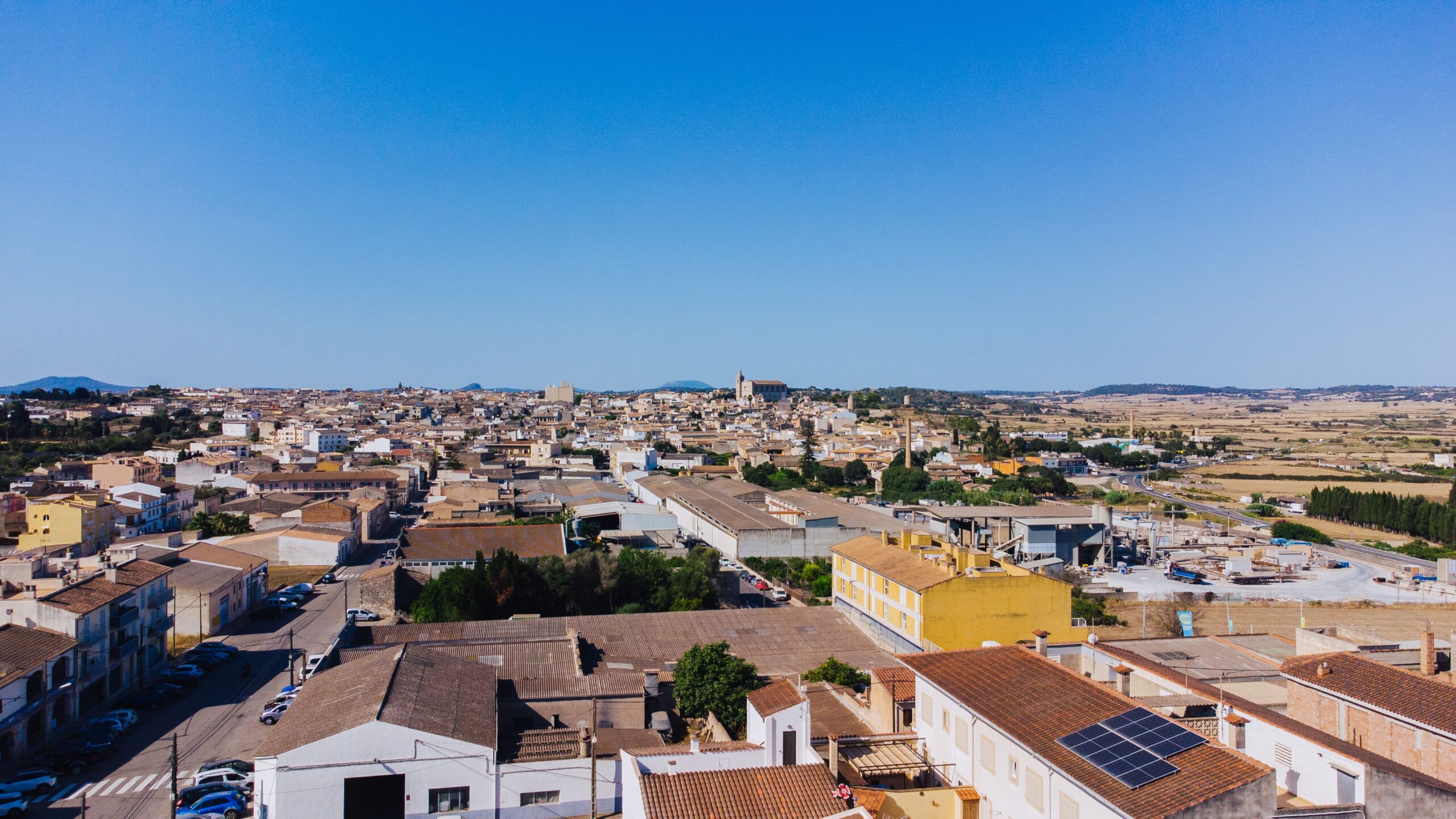
The first thing to do in Santa Margalida is to explore on foot, without turning your visit into a race from one monument to another. La Vila is best discovered slowly, through its streets, squares, façades, doorways and small details that tell the story of an inland Mallorca shaped by agriculture and community life. It is a place to wander at a leisurely pace, admire traditional architecture, immerse yourself in village life and observe how everyday routines continue far removed from the rush of tourism. This contrast with Can Picafort is precisely one of its attractions.
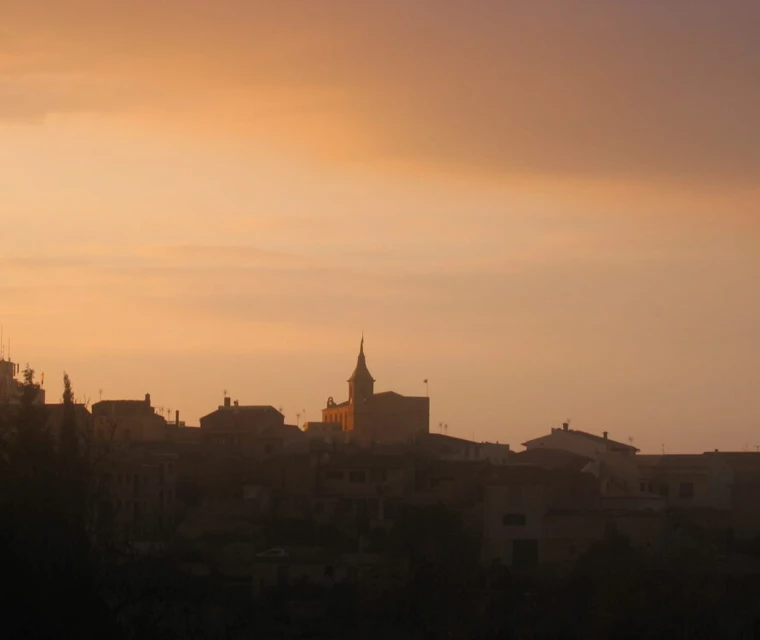
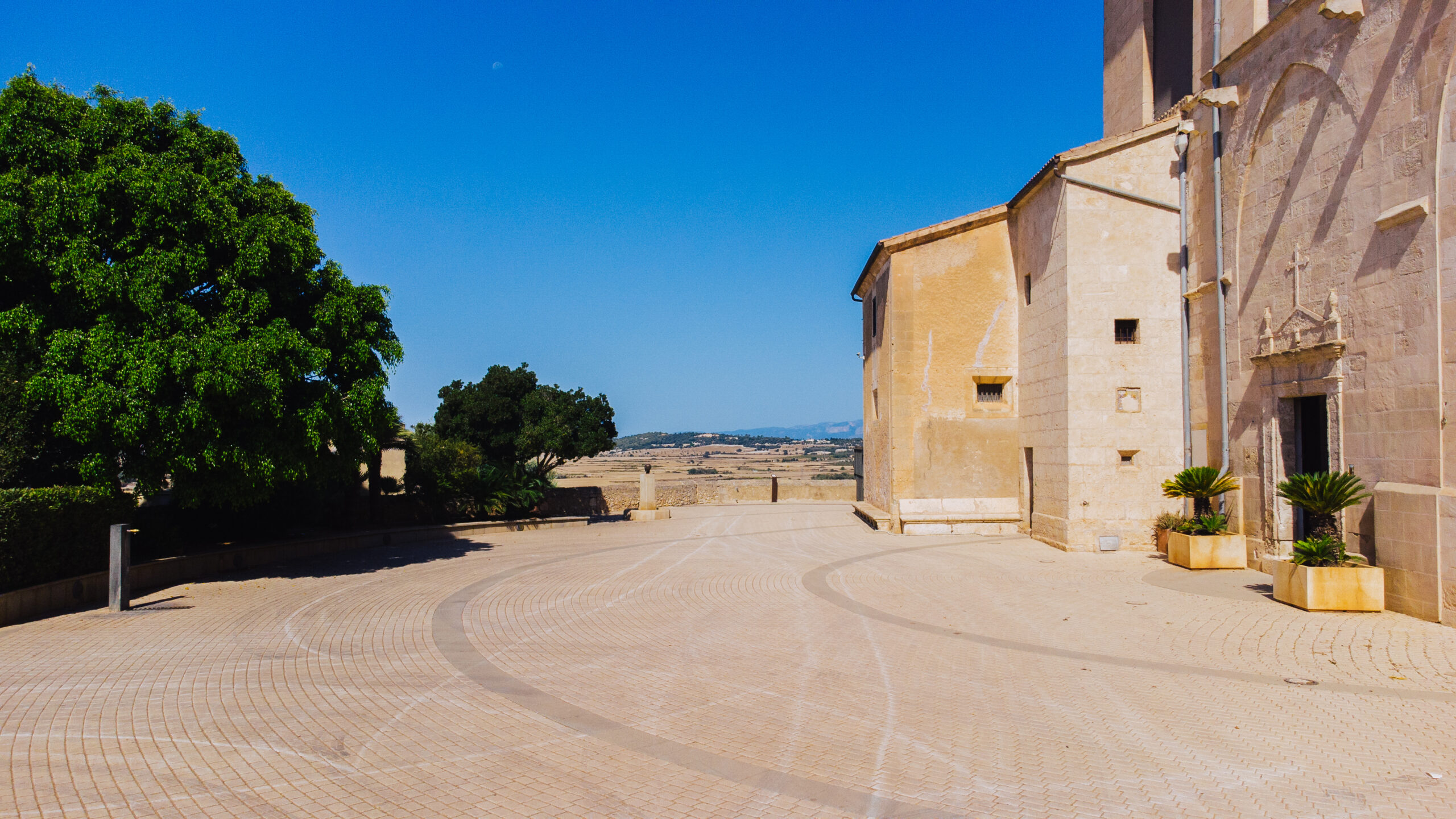
The parish church is one of the village’s most prominent landmarks. Beyond its architectural value, it serves as both a visual and symbolic focal point for the community. Much of the village’s social life centres around it, particularly during festivals, market days and celebrations. Santa Margalida is also known for the Procession of the Beata, one of Mallorca’s most distinctive festivals, where religious devotion, popular tradition, devils and earthenware jugs come together in a truly characteristic spectacle. This is not a festival staged for visitors, but a deeply rooted celebration that reflects the strength of local identity.
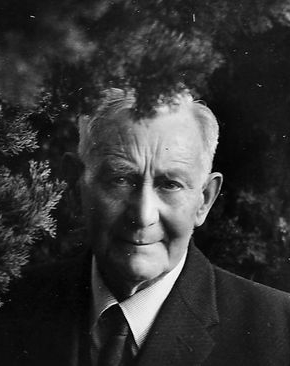
Another reason to visit la Vila is to discover the notable figures who have emerged from this village. Joan Mascaró i Fornés, a translator, humanist and bridge between Eastern and Western cultures, is probably one of Santa Margalida’s most internationally renowned figures. His legacy, reflected in local cultural institutions, is a reminder that this village has looked not only towards its fields and the sea, but also towards the wider world. This cultural dimension adds depth to a visit that might initially seem like nothing more than a leisurely stroll through a peaceful village.
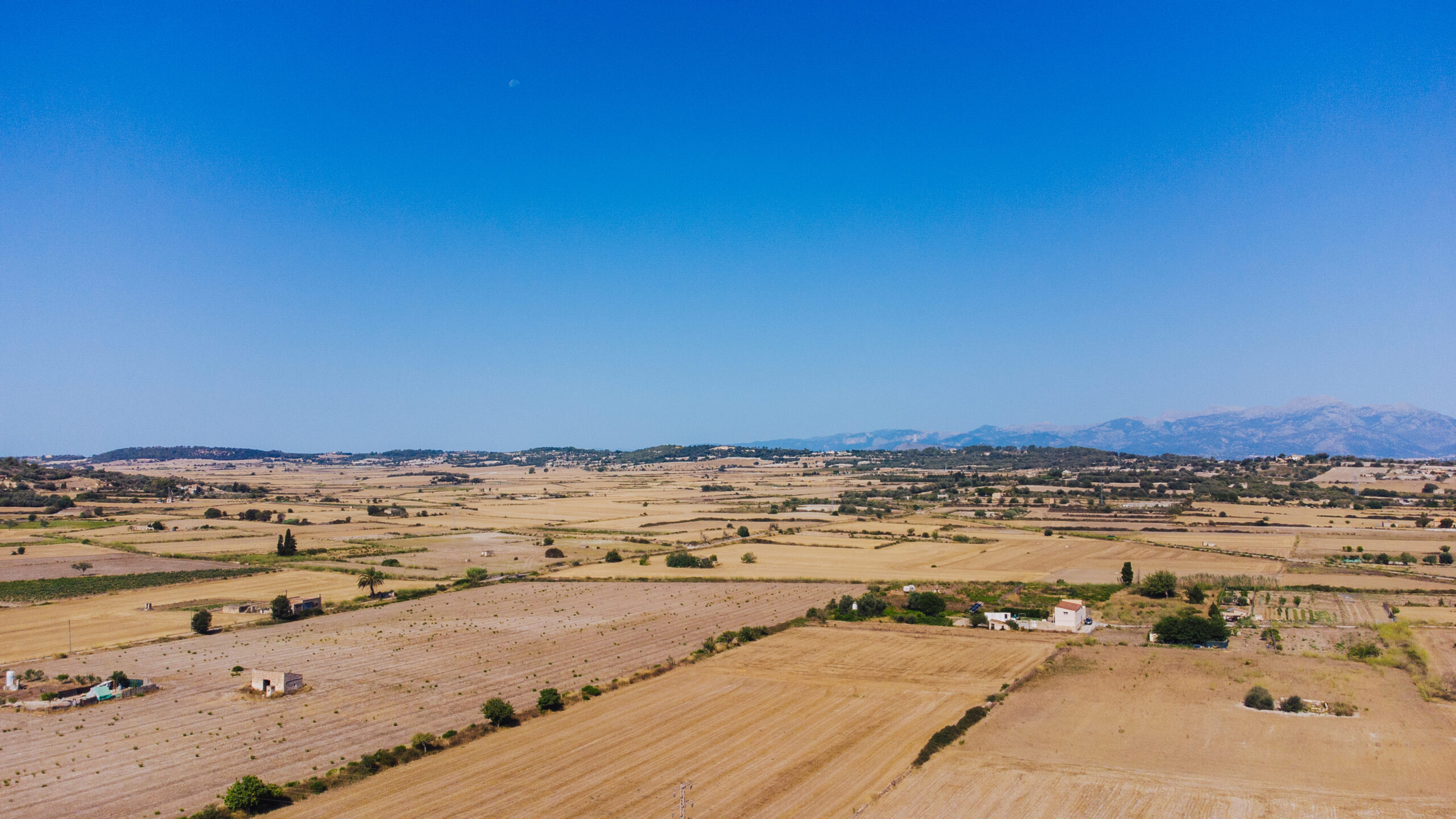
Santa Margalida also offers insight into the municipality’s inland landscape. Surrounding the village are dry-farmed fields, almond trees, cereal crops and gently rolling terrain that contrasts with the coastline. This part of the municipality tells the story of its agricultural past, before tourism transformed Can Picafort. It is a less photographed side of Mallorca, but one that is essential to understanding the municipality’s character. The coast has brought tourism and international recognition; la Vila provides the roots.
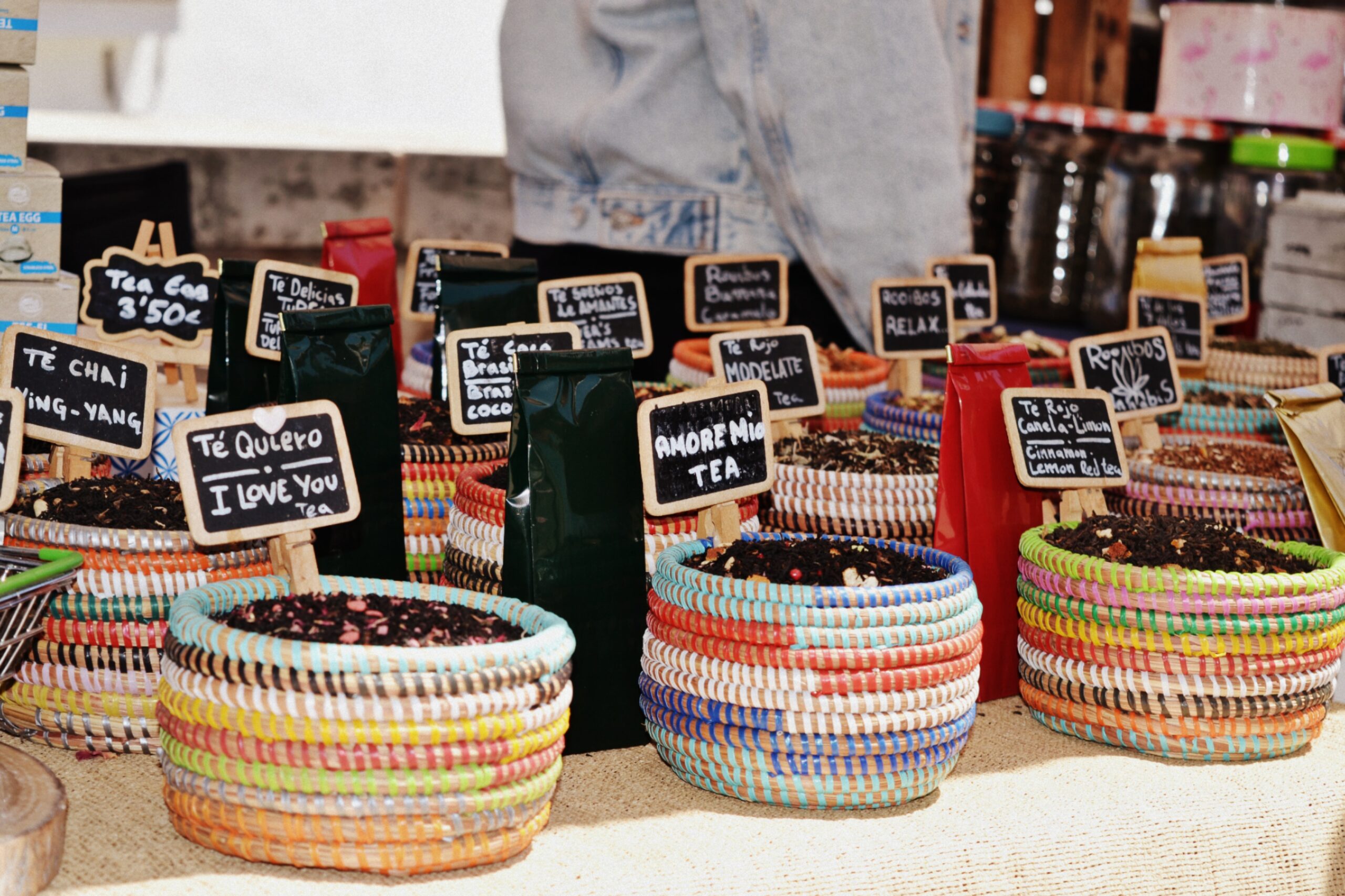
Market days are a great opportunity to visit. The atmosphere is different from that of Can Picafort: less centred around the beach and more in tune with the rhythm of village life. Browsing the market, enjoying a drink on a terrace and strolling through the centre can make for a simple yet thoroughly enjoyable outing. There is no need to expect a spectacular experience. Santa Margalida is interesting precisely because it makes no attempt to be something it is not. It is a genuine village with a genuine everyday life, and that is something particularly valuable in a tourist destination.
From la Vila, you can also explore the municipality’s wider heritage. Santa Margalida boasts a remarkable wealth of archaeological sites, particularly around Son Real, where the necropolis and other prehistoric remains reveal that the area has been inhabited since ancient times. This makes it possible to combine a visit to the village with cultural and nature excursions, while gaining a deeper understanding of how the municipality’s history began not with the arrival of tourism, but many centuries earlier.
 CULTURA
Get inspired, discover things to do, check out the latest updates, and experience Can Picafort before, during, and after your trip.