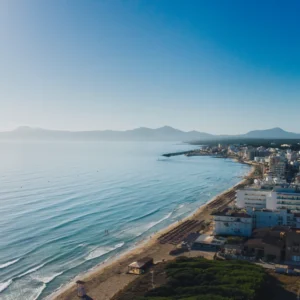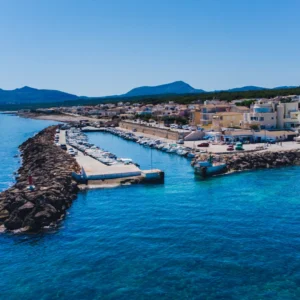
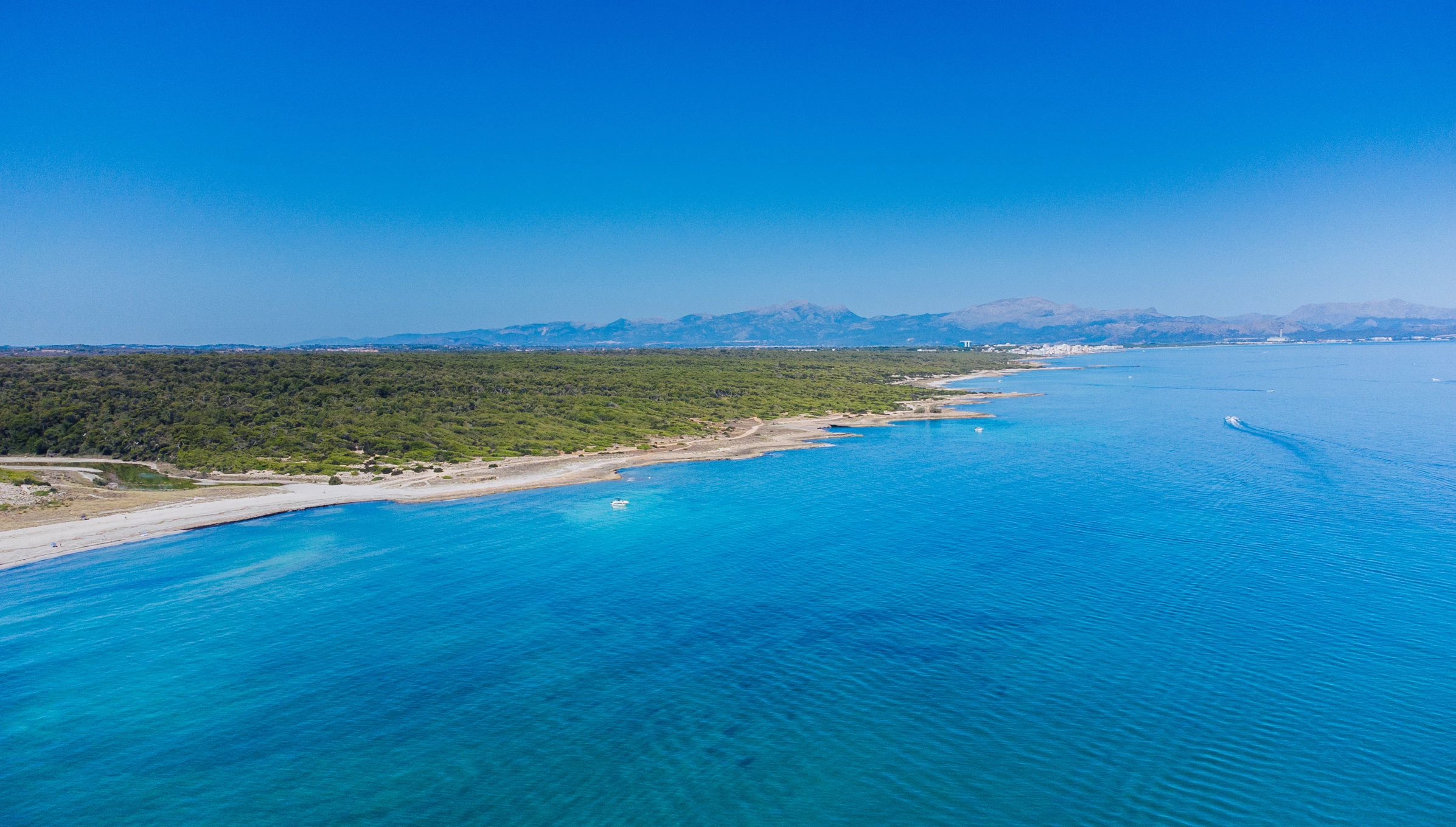

The Llevant Peninsula Natural Park is one of the major natural areas in northeastern Mallorca. From Son Serra de Marina, the municipality of Santa Margalida connects to this open Mediterranean landscape, where the coast, mountains, dune systems, pine forests, scrublands, and agricultural areas combine to create an environment of great natural and scenic value.
It is an ideal place to discover a wilder and more peaceful side of Mallorca, with unspoilt beaches, cliffs, streams, panoramic views and a great diversity of flora and fauna.
From Can Picafort and Son Serra de Marina, the Península de Llevant is a perfect choice for visitors looking to combine sea, nature, landscapes and tranquillity.
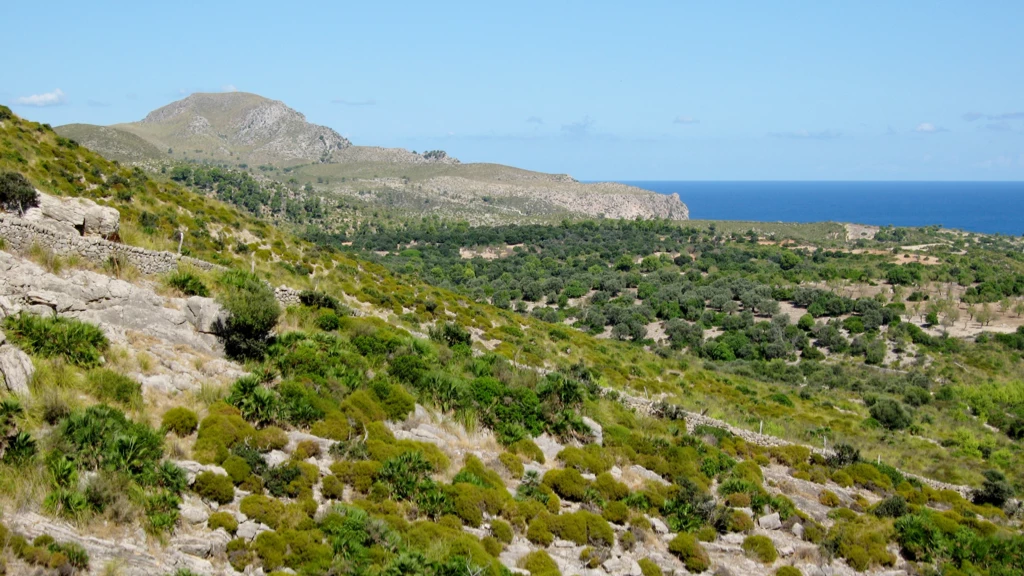
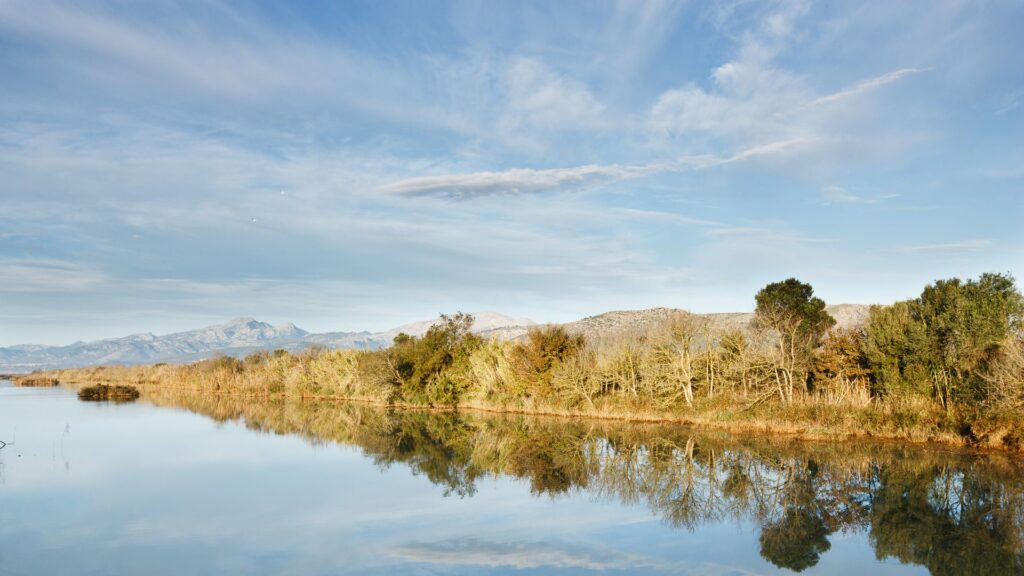
The Península de Llevant stands out for its great diversity of environments. Mountainous and coastal areas, cliffs, beaches, dune systems, caves, streams, forests, scrubland and agricultural areas all coexist within the same landscape. This variety gives the park great scenic and ecological value.
It is a very different landscape from Mallorca’s best-known urban beaches: more open, more natural and with a strong sense of the Mediterranean horizon.
Son Serra de Marina is the part of the municipality with the strongest connection to the Península de Llevant. From here, the landscape opens up towards sa Canova, Colònia de Sant Pere, Betlem and the hills of eastern Mallorca.
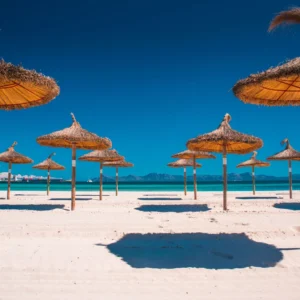
This area stands out for its clear waters, pine forests, largely undeveloped stretches of coastline and views extending from cap de Ferrutx to the Bay of Alcúdia.
It is a perfect area for those seeking nature, tranquillity and a more authentic experience by the sea.
The vegetation of the Parc Natural de la Península de Llevant is typically Mediterranean. Here you will find pine forests, holm oak woods, wild olive groves, scrubland, areas of càrritx and garballó, as well as species adapted to wind, salinity and drought.
There are also valuable endemic species, such as estepa joana and coixinet de monja. In areas closer to the coast, plants typical of dune systems stand out, including sea daffodils and sea holly.
This vegetation changes depending on proximity to the sea, altitude and type of terrain.
The park is home to some of the most representative species of the Balearic Islands. These include the Mediterranean tortoise, calàpet, hedgehog and various birds of prey, such as the red kite, peregrine falcon and sparrowhawk.
Seabirds are also commonly seen along the coast, especially in the more open and peaceful stretches.
The combination of mountains, coastline, scrubland and agricultural areas makes the Península de Llevant a particularly interesting place for nature lovers and wildlife watching.
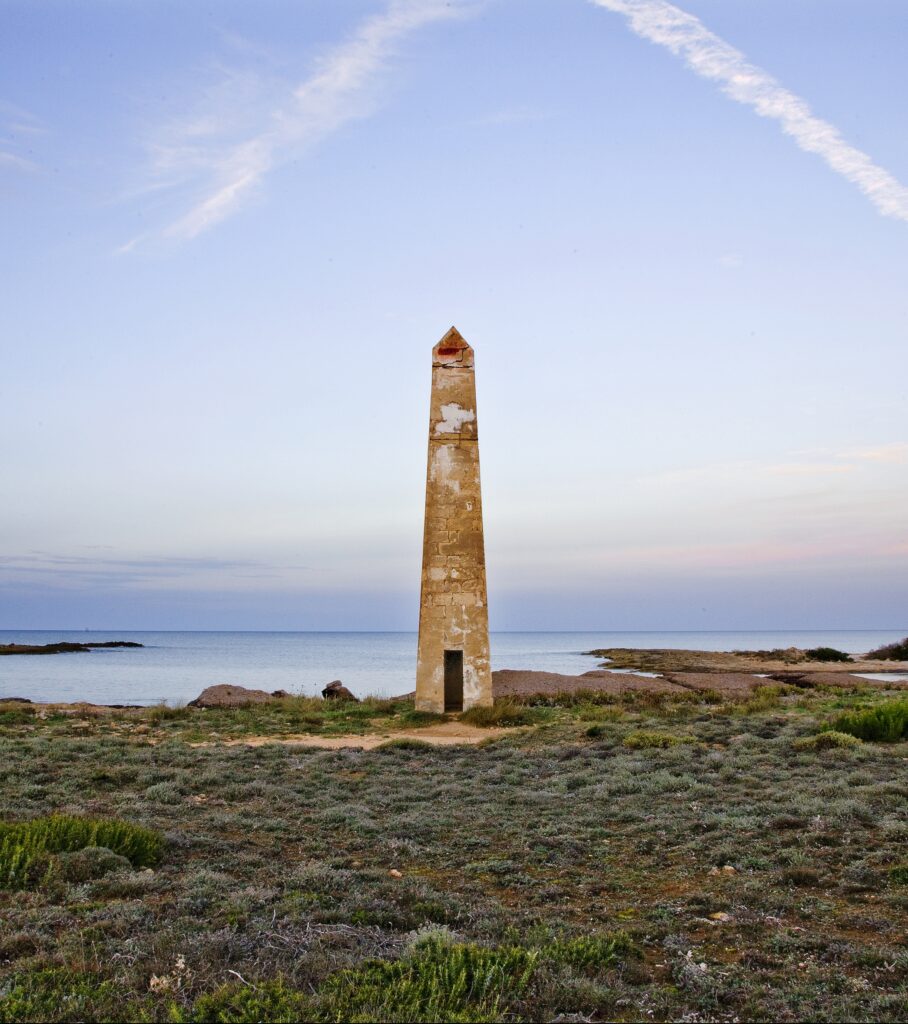
In addition to its natural value, the Península de Llevant preserves historical and heritage features that illustrate the relationship between people and the land.
Highlights include traditional rural estates, buildings linked to traditional agricultural activity, defensive structures and other historical remains. The map also highlights the presence of talaia Moreia, the remains of a camp for Republican prisoners and the role of garballó in the traditional craft of llata.
This heritage helps us understand that the park is not only about nature: it is also about memory, rural culture and a landscape shaped by generations of people.
The Parc Natural de la Península de Llevant is the largest natural park in Mallorca. It encompasses a wide variety of landscapes, from mountainous areas to stretches of unspoilt coastline, and also includes the Finca Pública de Son Real within its natural area.
The Península de Llevant is ideal for visitors who want to discover a more natural and less urban side of Mallorca. It is particularly recommended outside the hottest months, when the landscape is greener, temperatures are milder and the experience is more peaceful.
Wear comfortable footwear, bring water and sun protection, and always respect the paths, vegetation and wildlife.
 PARC NATURAL
 PARC NATURAL
Get inspired, discover things to do, check out the latest updates, and experience Can Picafort before, during, and after your trip.