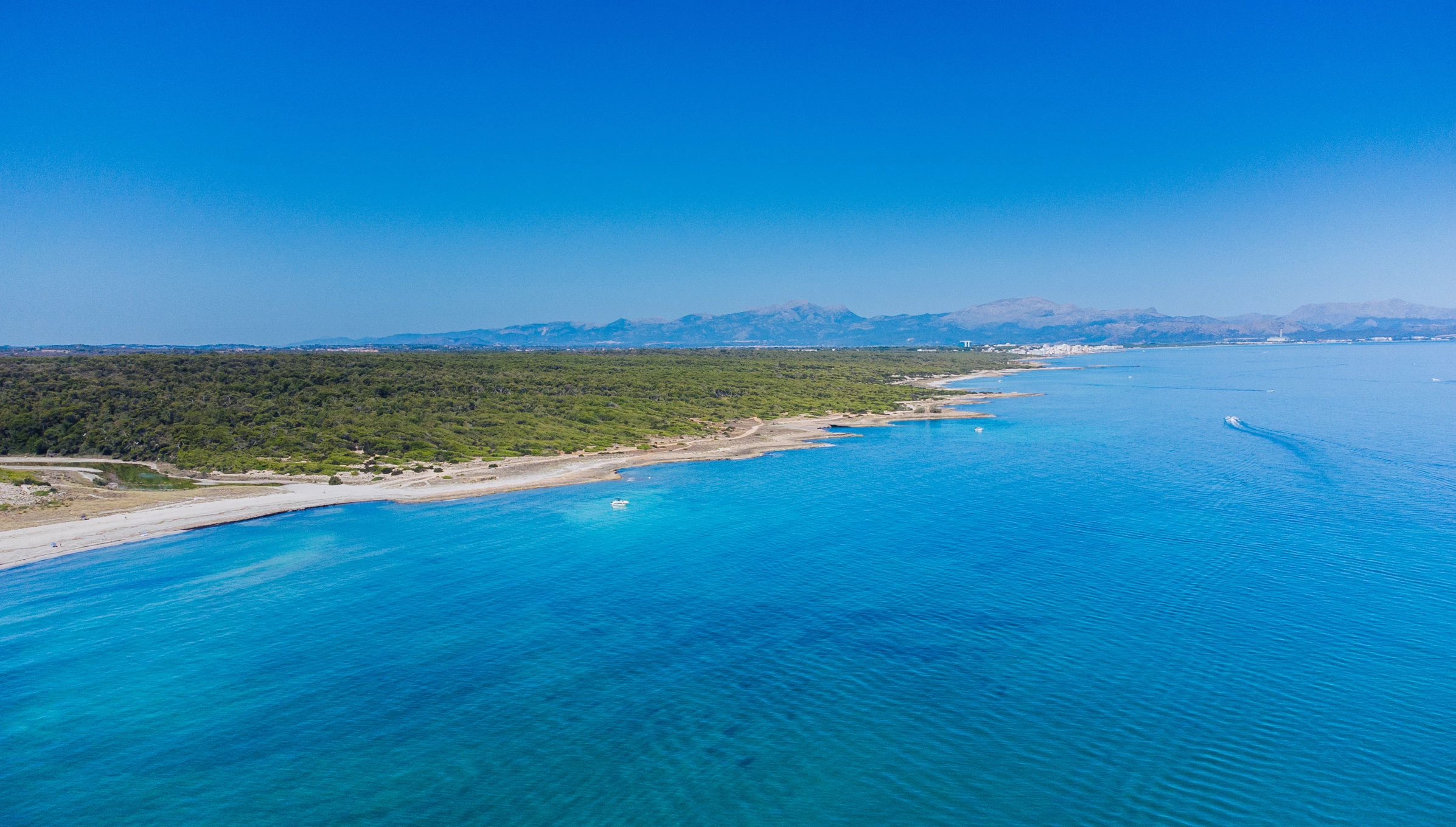

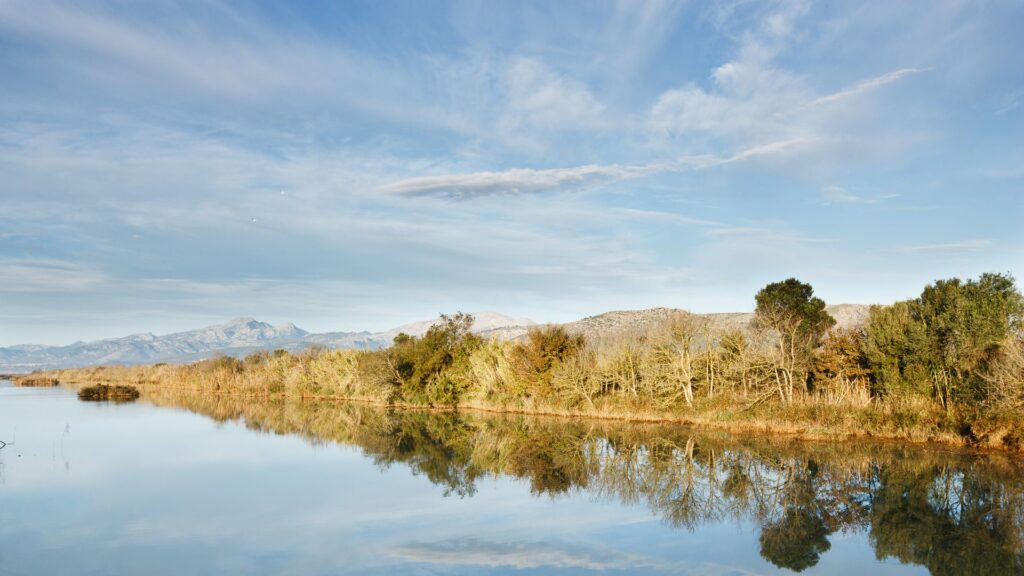
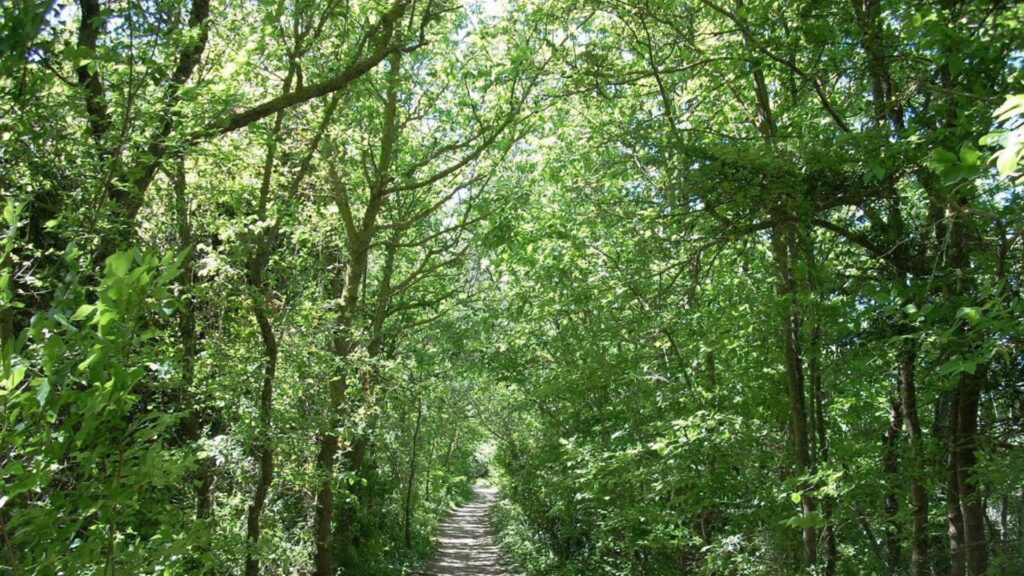
S’Albufera de Mallorca is the largest wetland area on Mallorca and one of the most important natural sites in the Balearic Islands. Located just a few kilometers from Can Picafort, it is a unique landscape of canals, ditches, reed beds, brackish areas, dunes, and viewpoints where nature reveals itself in a living, ever-changing state.
With more than 1,700 hectares, s’Albufera is separated from the sea by a belt of dunes, but maintains a natural connection with seawater. This balance between fresh water and salt water makes possible a great diversity of flora and fauna.
It is an essential visit for nature lovers, birdwatchers, photographers and anyone who enjoys peaceful landscapes.
An albufera is a shallow coastal lagoon, separated from the sea by a sandbar but still connected to it.
This type of landscape occurs in only a few places around the world and creates extremely rich ecosystems, particularly important for migratory birds and many species adapted to wetlands.
At s’Albufera, water is the foundation of everything: it nourishes the vegetation, provides shelter for wildlife and transforms the landscape according to the season.
S’Albufera was declared a Natural Park on 28 January 1988. It is also part of the Ramsar Convention and the Natura 2000 Network, as a Special Protection Area for Birds and a Site of Community Importance.
Its origins are very ancient. Part of the wetland area was formed during the Tertiary period, while the present-day wetland is less than 100,000 years old. The coastal dunes are more recent, dating back around 10,000 years.
Over time, s’Albufera has changed in size and shape due to variations in sea level and human activity in the area.
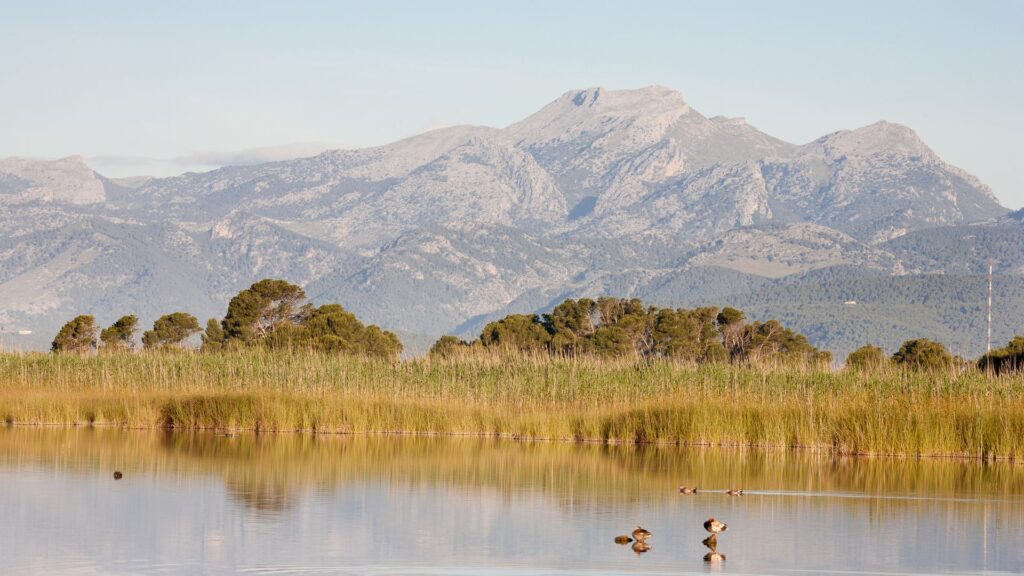
S’Albufera is one of the best places in Mallorca for birdwatching. The park is particularly important for migratory species, which find a place to rest and feed here during their journeys.
More than 300 bird species have been observed here, some of which are breeding, resident or summer species. In addition, more than 10,000 birds use s’Albufera as a wintering ground.
Ducks, herons, coots, starlings, swallows, occasional cranes and many other species make this area a point of reference for birdwatching enthusiasts.
The fauna of s’Albufera is extremely diverse. In addition to birds, the park is home to fish, reptiles, amphibians, mammals and a wide variety of invertebrates.
Among the most common fish are eels and mullets. Common frogs, water snakes and European pond turtles are also abundant.
The park is also home to several species of mammals, including bats, mice and rats, as well as a great diversity of invertebrates: dragonflies, beetles, flies and moths.
This diversity makes s’Albufera an essential area for Mallorca’s biodiversity.
The vegetation of s’Albufera depends directly on water, soil moisture, salinity and proximity to the sea.
Reed beds, cesquera and bulrushes dominate much of the landscape. Submerged plants grow in the canals, while rushes and glasswort can be found in brackish areas.
Among the most notable trees are white poplar, elm and tamarisk. In the dune area, plants adapted to difficult conditions can be found, such as sea daffodils, peu de milà and large-fruited juniper.
S’Albufera is also remarkable for its diversity of fungi, with more than 200 species identified.
S’Albufera has not always had the natural appearance we see today. For centuries, it was extensively used for human activities: fishing, hunting, harvesting reeds and bulrushes, growing rice, extracting salt and even making paper.
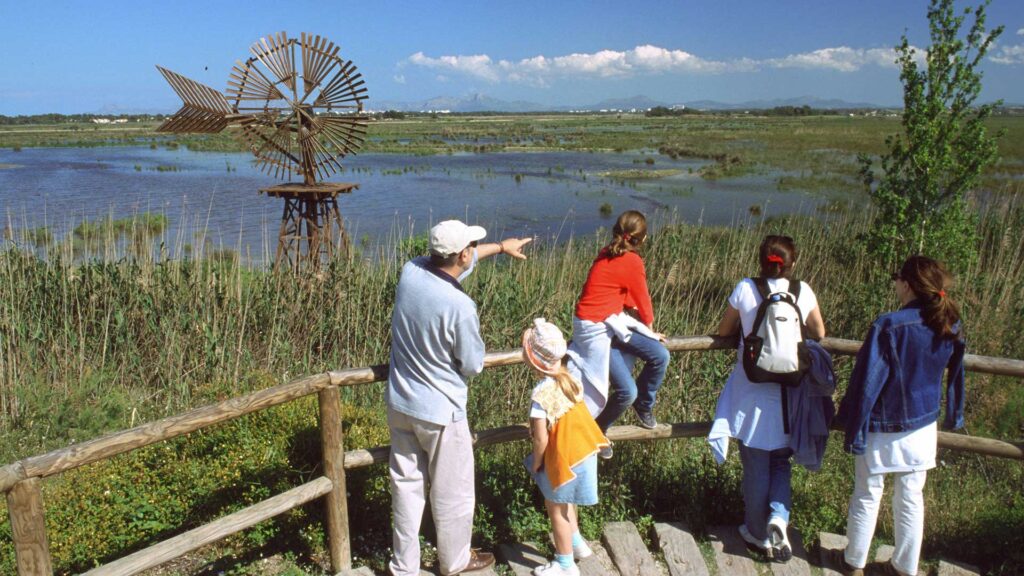
If you love nature, visit s’Albufera with binoculars and plenty of time. The landscape changes depending on the time of day and the season, meaning every visit can offer a different experience.
It is particularly recommended for families, photography enthusiasts, birdwatchers and visitors who want to discover a quieter and more natural side of Mallorca.
 PARC NATURAL
 PARC NATURAL
Get inspired, discover things to do, check out the latest updates, and experience Can Picafort before, during, and after your trip.