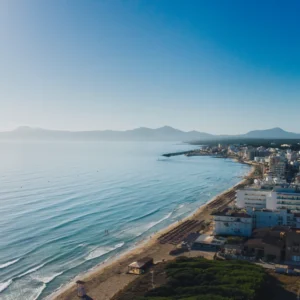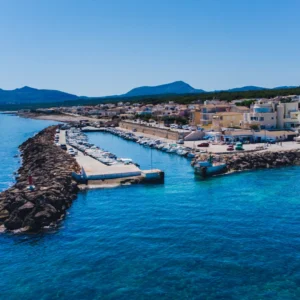
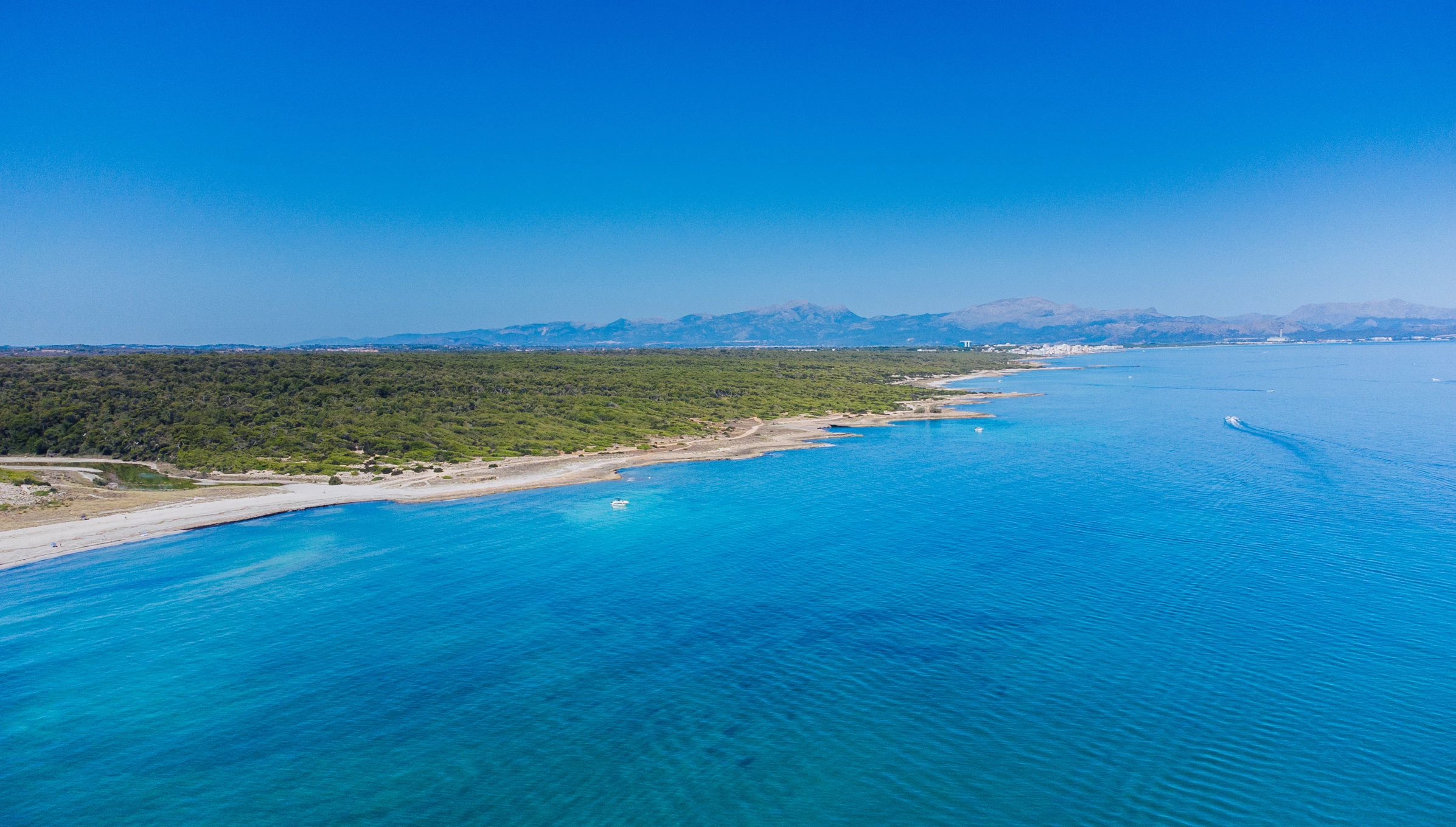

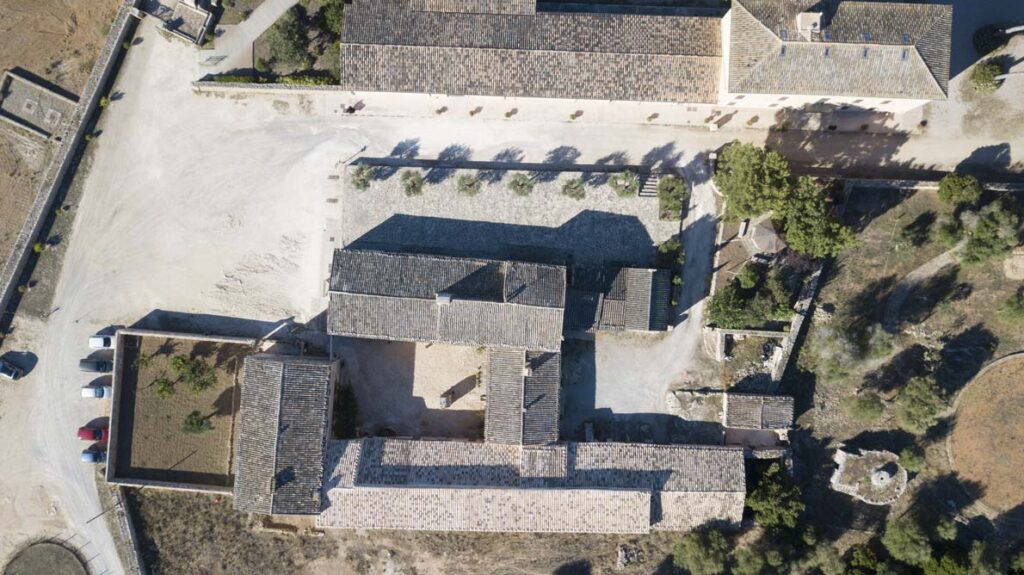
The Son Real Public Estate is one of the most valuable natural and heritage sites in northern Mallorca. Located within the municipality of Santa Margalida, between the road from Can Picafort to Artà and the sea, it combines nature, history, rural landscapes, and unspoiled coastline in a single setting.
Son Real is much more than an estate: it is a place where unspoilt beaches, dunes, pine forests, wetlands, farmland, native breeds of animals, traditional estate houses, an interpretation centre and some of the most important archaeological sites in the Balearic Islands all coexist.
A perfect place to discover the most natural, authentic and Mediterranean side of Mallorca.
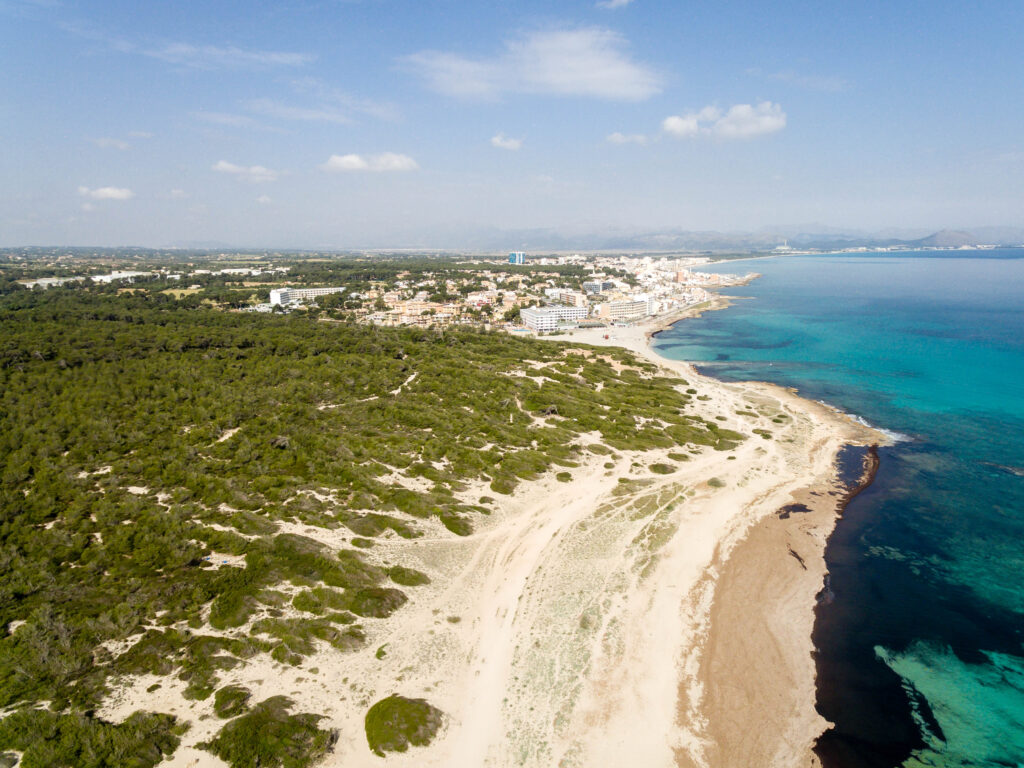
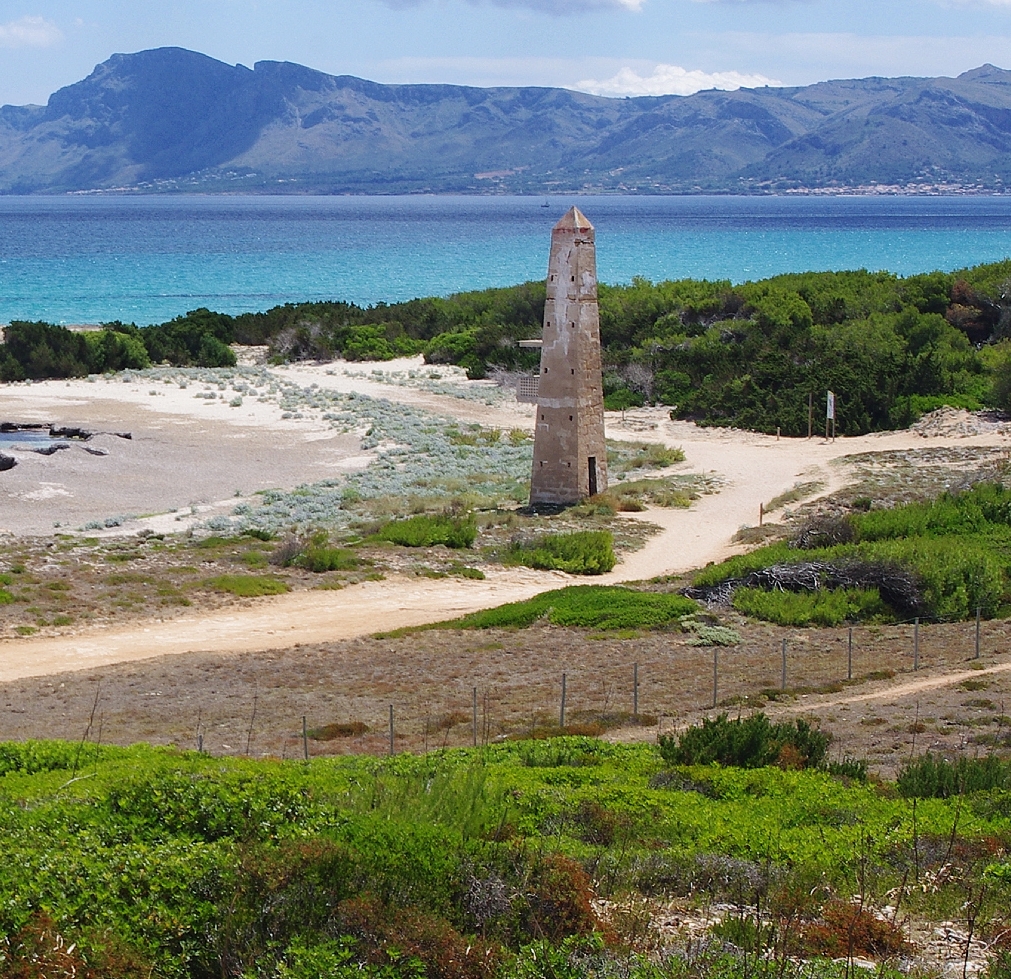
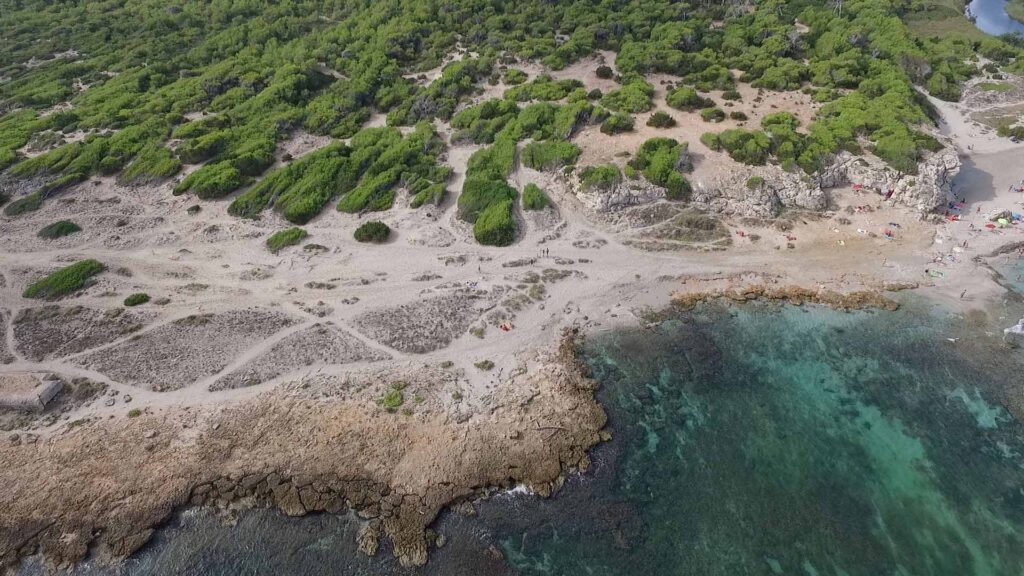
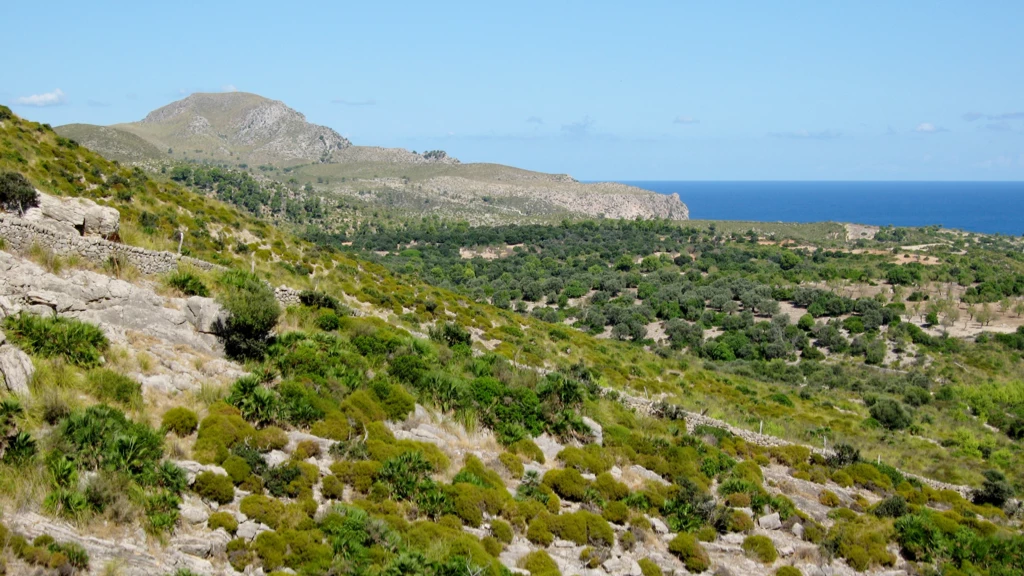
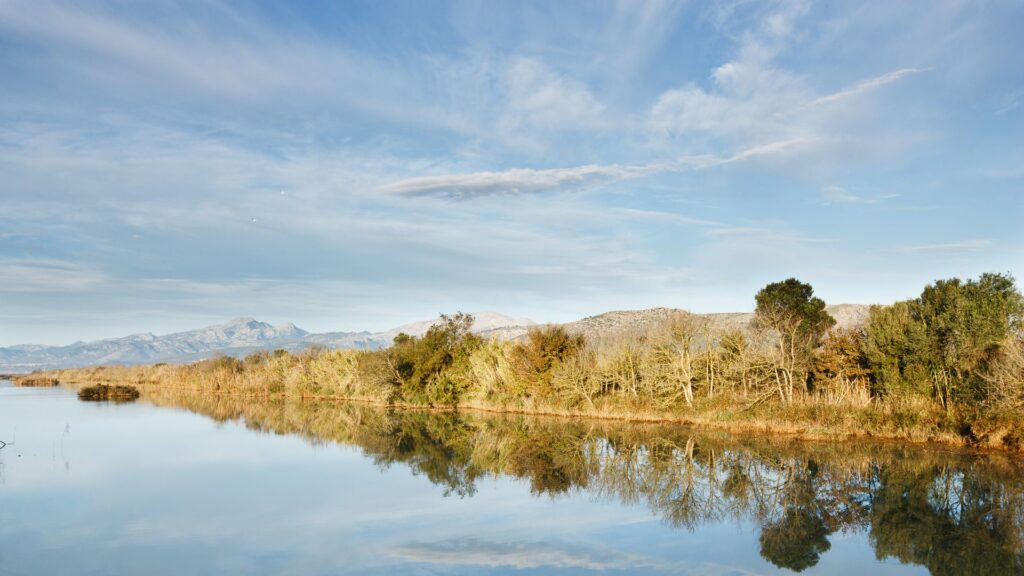
Son Real preserves a great variety of ecosystems: pine forests, Mediterranean scrubland, dunes, juniper groves, wetlands, streams, rocky coastline and farmland. This diversity makes the estate an ideal place to enjoy the landscape, observe nature and understand the environmental richness of this part of the Bay of Alcúdia.
Its beaches, dunes, streams and vegetation form a natural environment of great value, where the landscape changes with every step: from the open coastline to the pine forest, from wetlands to farmland, and from Mediterranean scrubland to archaeological remains by the sea.
The Son Real estate houses are the historic heart of the property. The oldest buildings date back to medieval times and form a traditional Mallorcan estate complex, with manor houses, a courtyard, chapel, storehouses and agricultural buildings.
This place helps us understand what rural life in Mallorca was like when these estates were at the centre of agricultural, livestock and domestic activity.
At the Cases Noves, built in the 20th century, the premises were restored to house the Son Real Interpretation Centre and museum.
The Son Real Interpretation Centre provides a better understanding of the history, rural life, natural values and heritage of the estate.
Through this space, visitors can discover what everyday life was like on a traditional Mallorcan estate, the relationship between people and the land, and the importance of Son Real as a natural, agricultural and archaeological site.
It is a highly recommended visit before exploring the estate or heading towards the coast.
Son Real is an area of great biodiversity. The estate is home to native breeds such as the Mallorcan sheep, black pig, Mallorcan duck, Mallorcan hen and Balearic donkey.
Mammals such as rabbits, hedgehogs, weasels and bats can also be found here; reptiles such as land tortoises, geckos and snakes; and amphibians such as the calàpet and frog.
As for birds, Son Real is a particularly interesting place for birdwatching enthusiasts. More than 200 species can be observed, and the estate has a birdwatching station.
The flora is also very diverse, with species typical of the Mediterranean climate: pine trees, junipers, mata, rosemary, càrritx, sea daffodils, sea holly and vegetation adapted to salinity, wind and dune systems.
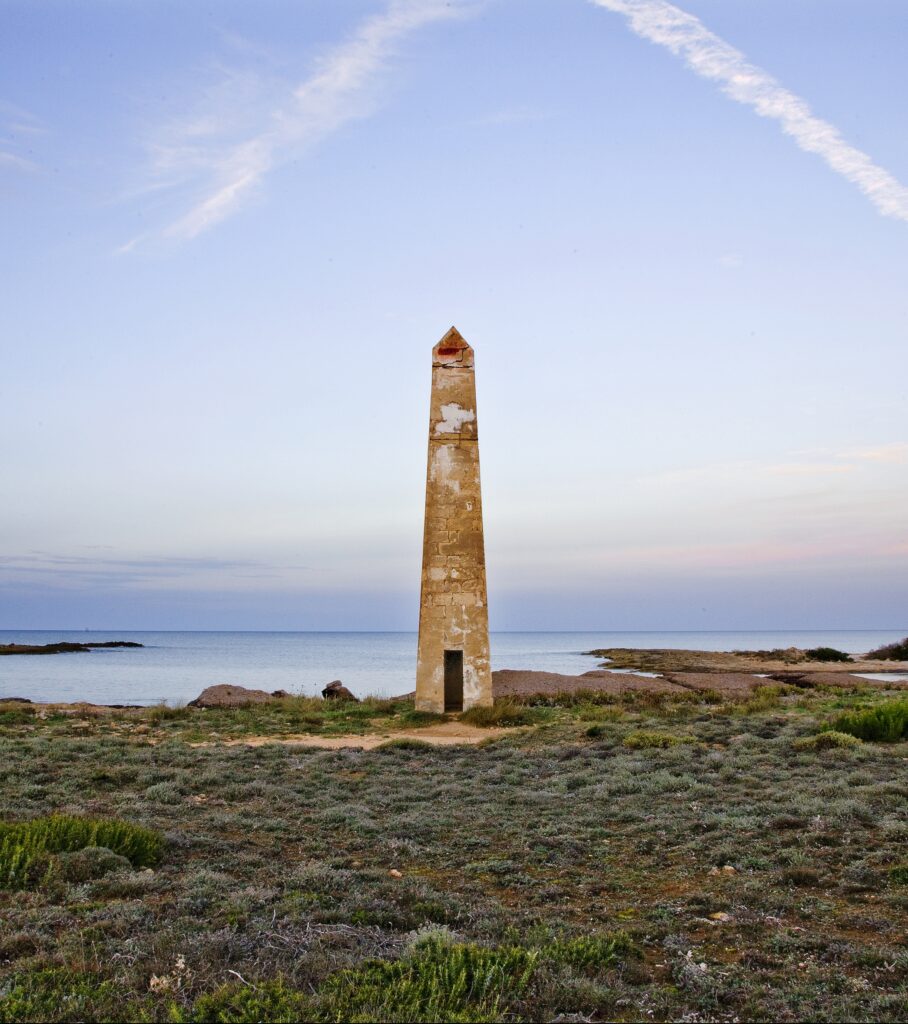
Son Real is one of the most important archaeological heritage sites in the Balearic Islands.
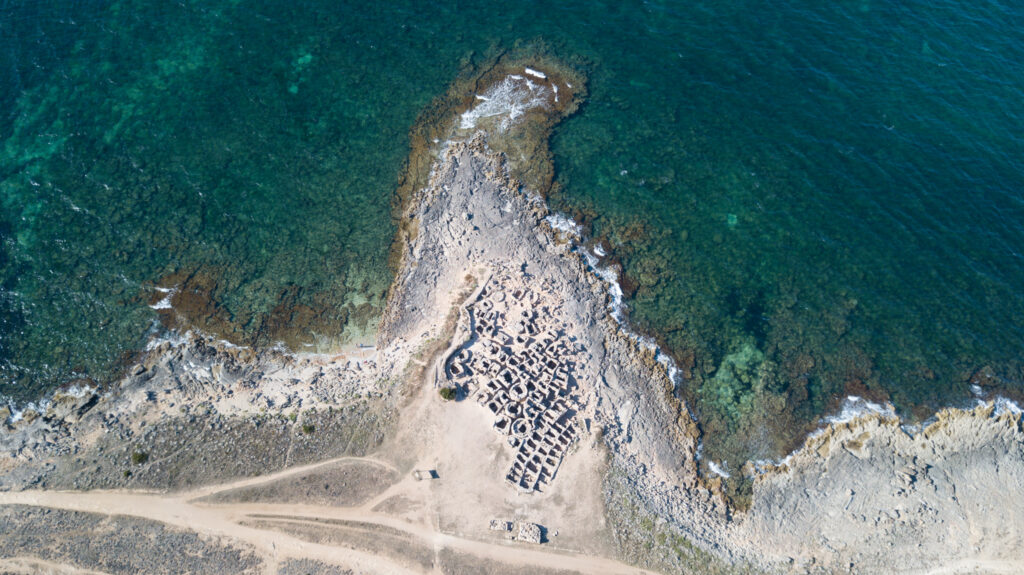
Its best-known feature is the Necròpolis de Son Real, also popularly known as the Cementeri dels Fenicis, although the people buried there were native inhabitants. It is one of the most distinctive funerary sites in Mallorca and the western Mediterranean.
But Son Real’s archaeological wealth does not end there. The area is also home to the Dolmen de Son Real, hypogea, caves and other remains that bear witness to human presence along this stretch of coastline for thousands of years.
The estate keeps the memory of rural Mallorca alive. For centuries, Son Real was closely linked to agriculture and livestock farming.
Today, it still maintains an agricultural area with organic production, particularly traditional crops such as almond, carob and fig trees. This agricultural landscape forms part of the estate’s identity and helps us understand the balance between nature, culture and human activity.
Son Real was once close to becoming the site of a 26-hole golf course and a hotel with 450 beds, promoted by several hoteliers from the north of the island. Years later, the Government of the Balearic Islands purchased the estate and turned it into a public estate, thereby protecting its natural, scenic and archaeological value.
Before heading towards the coast, stop at the Interpretation Centre. It will help you better understand the natural, historical and archaeological value of Son Real and make your visit much more complete.
 PARC NATURAL
 PARC NATURAL
Get inspired, discover things to do, check out the latest updates, and experience Can Picafort before, during, and after your trip.