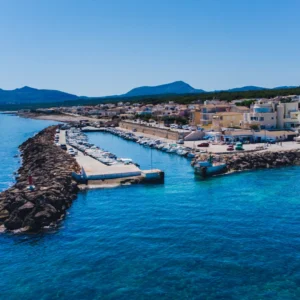
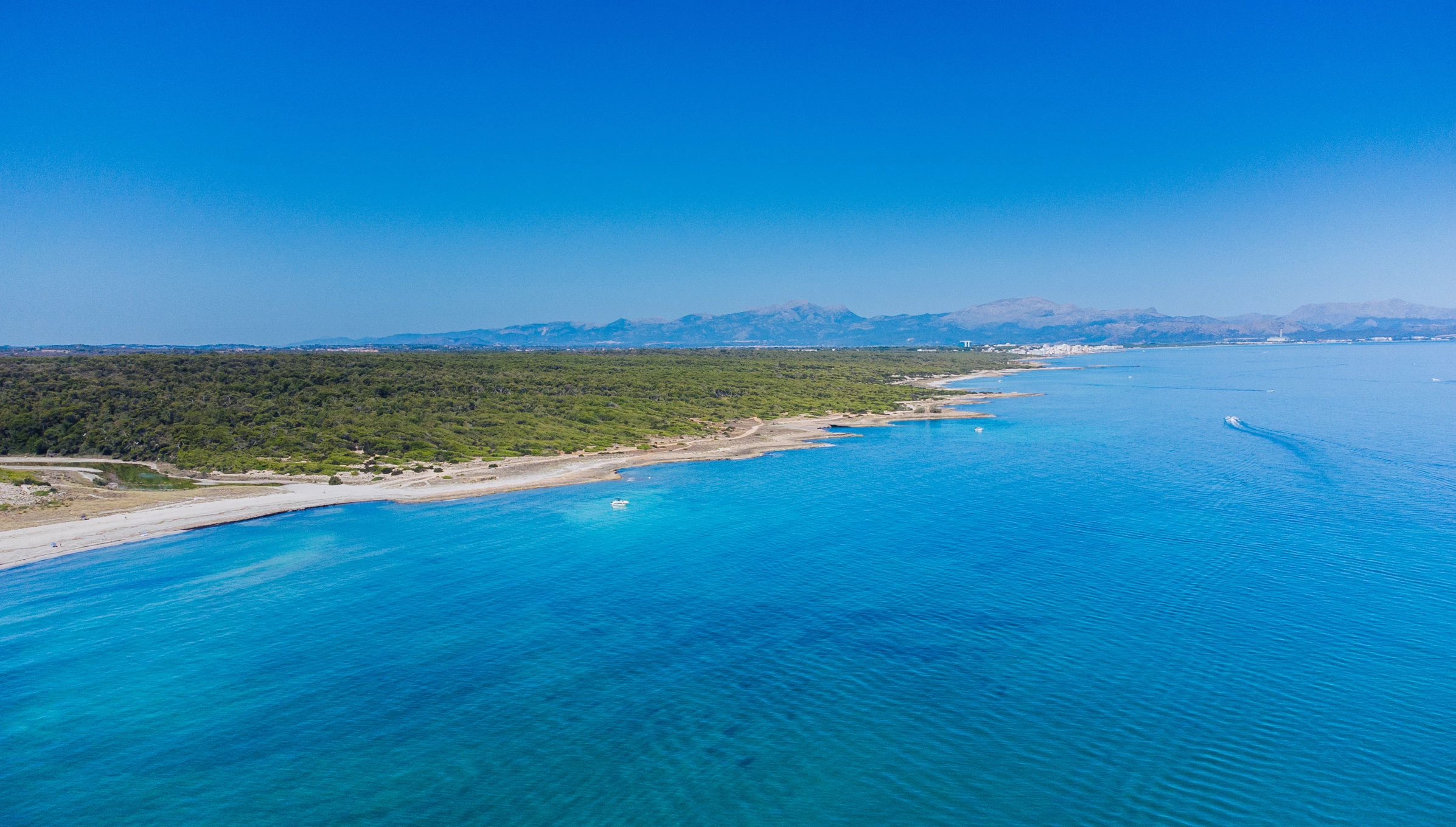



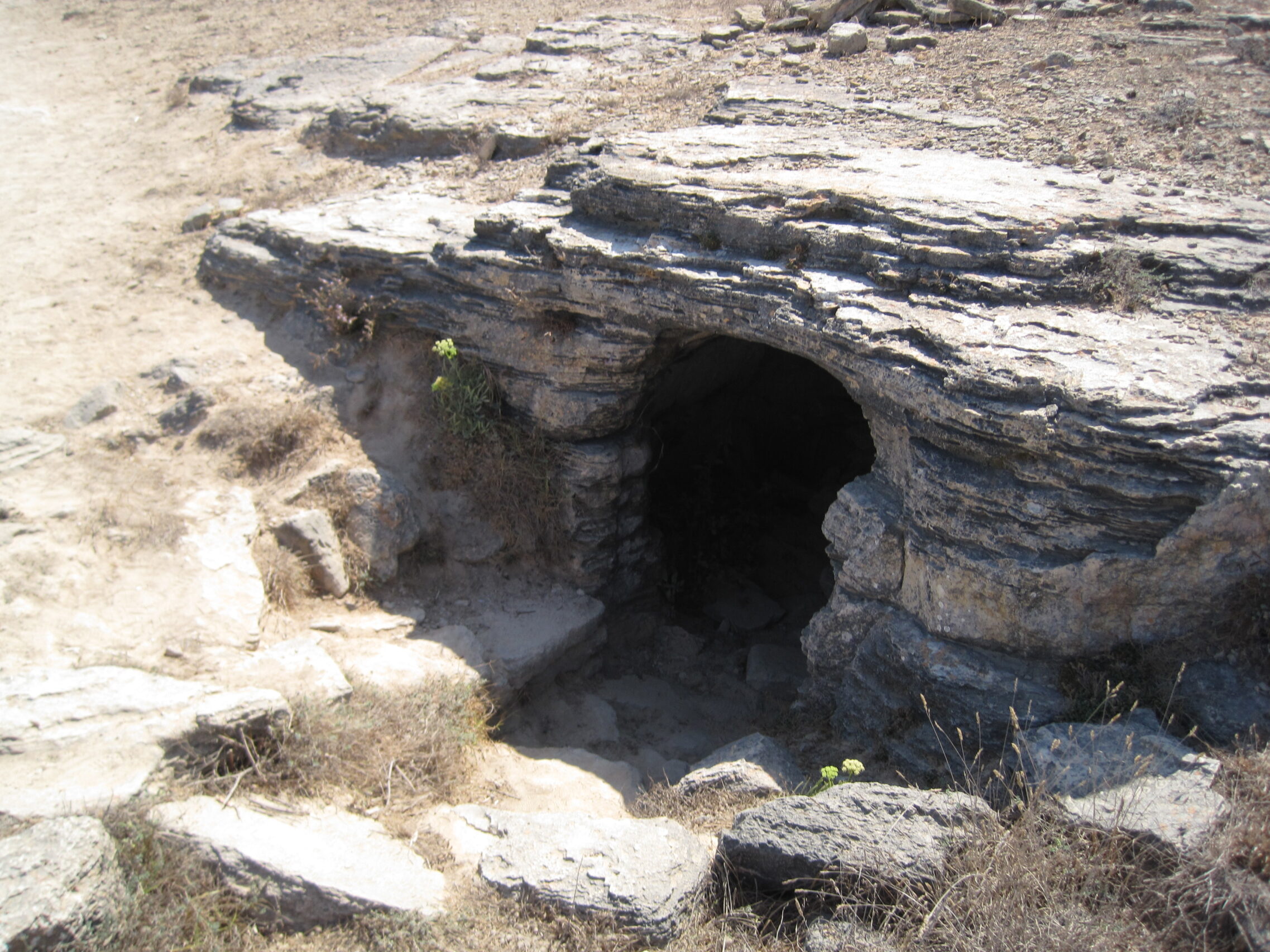
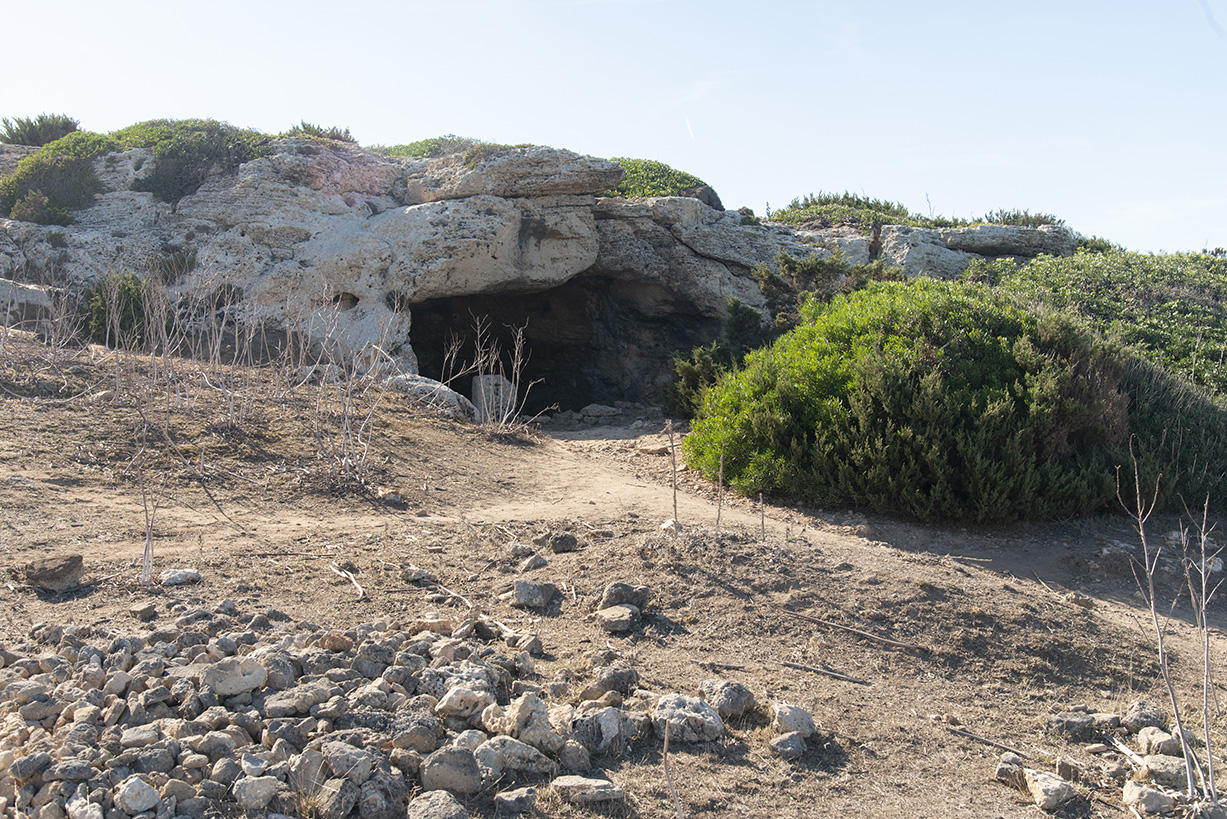
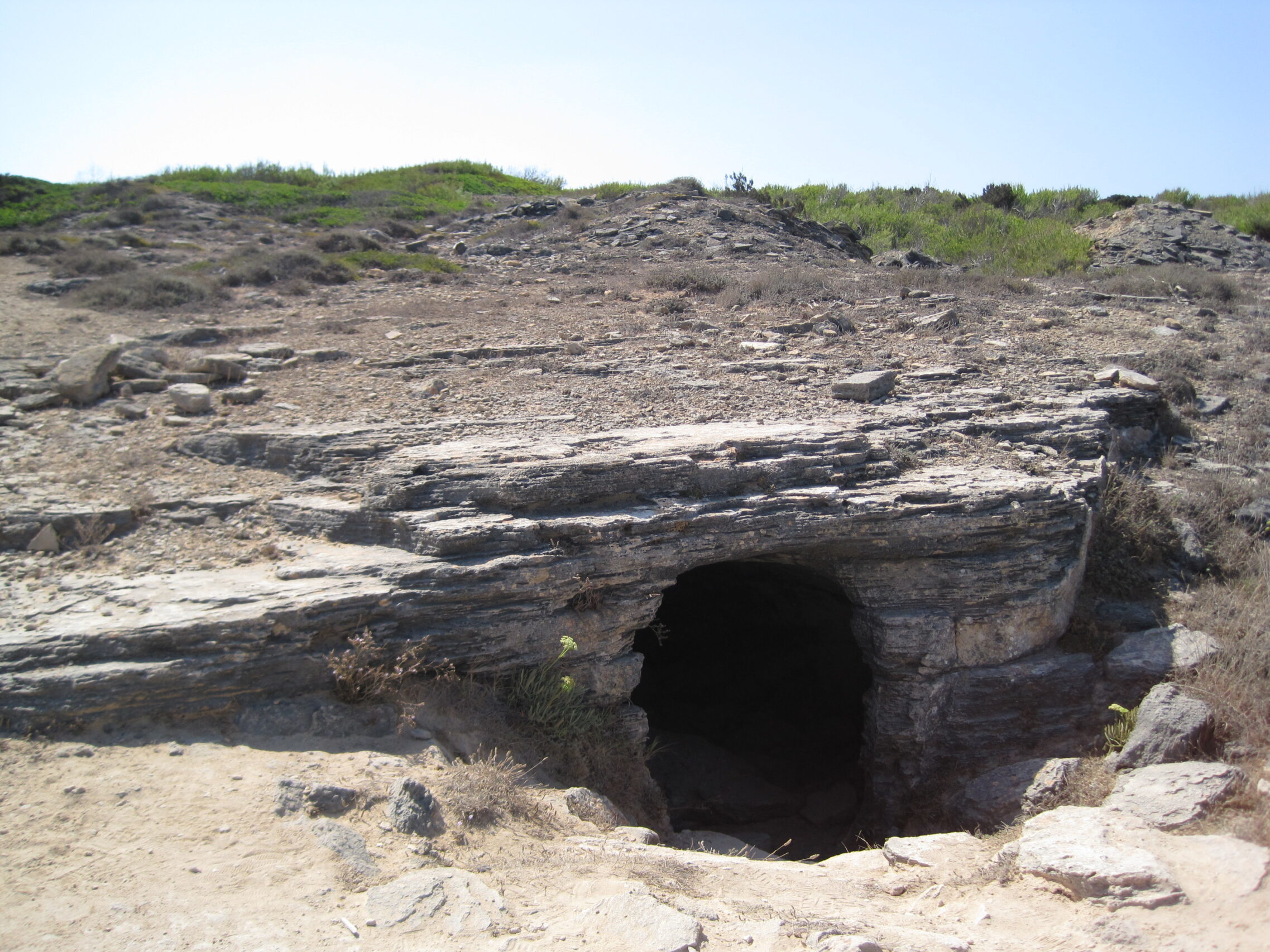
Artificial burial caves linked to the funerary and ritual nature of the Son Real coastline. Years ago, a Bronze Age (2nd millennium BCE) artificial cave—or burial hypogeum—was identified 250 meters (linear distance) from the islet of Illot dels Porros. Opposite it, at a distance of about 30 meters, there is an alignment of large stones—preserved for a length of approximately 40 meters—that is also believed to be prehistoric.
These caves were repeatedly used over periods that sometimes lasted for hundreds of years. The skeletons were placed in a crouched position, although over time and through repeated use they eventually became disarticulated. Ceramic vessels, which probably contained food and drink, were placed inside as offerings. Bone buttons, and occasionally ivory ones, found in other caves are associated with personal clothing or burial shrouds. Bone and bronze awls have also been found, as well as occasional bracelets, earrings and bronze knives. The latter are associated with the ritual of cutting the hair of the deceased.
Although it may originally have made use of a natural cave, it was initially modified by excavating a niche at the back and an adjacent recess. In more recent times, these carved areas were used as feeding troughs for livestock. In addition to being used as a stable, it appears to have served as accommodation for fishermen and as a shelter for shepherds.
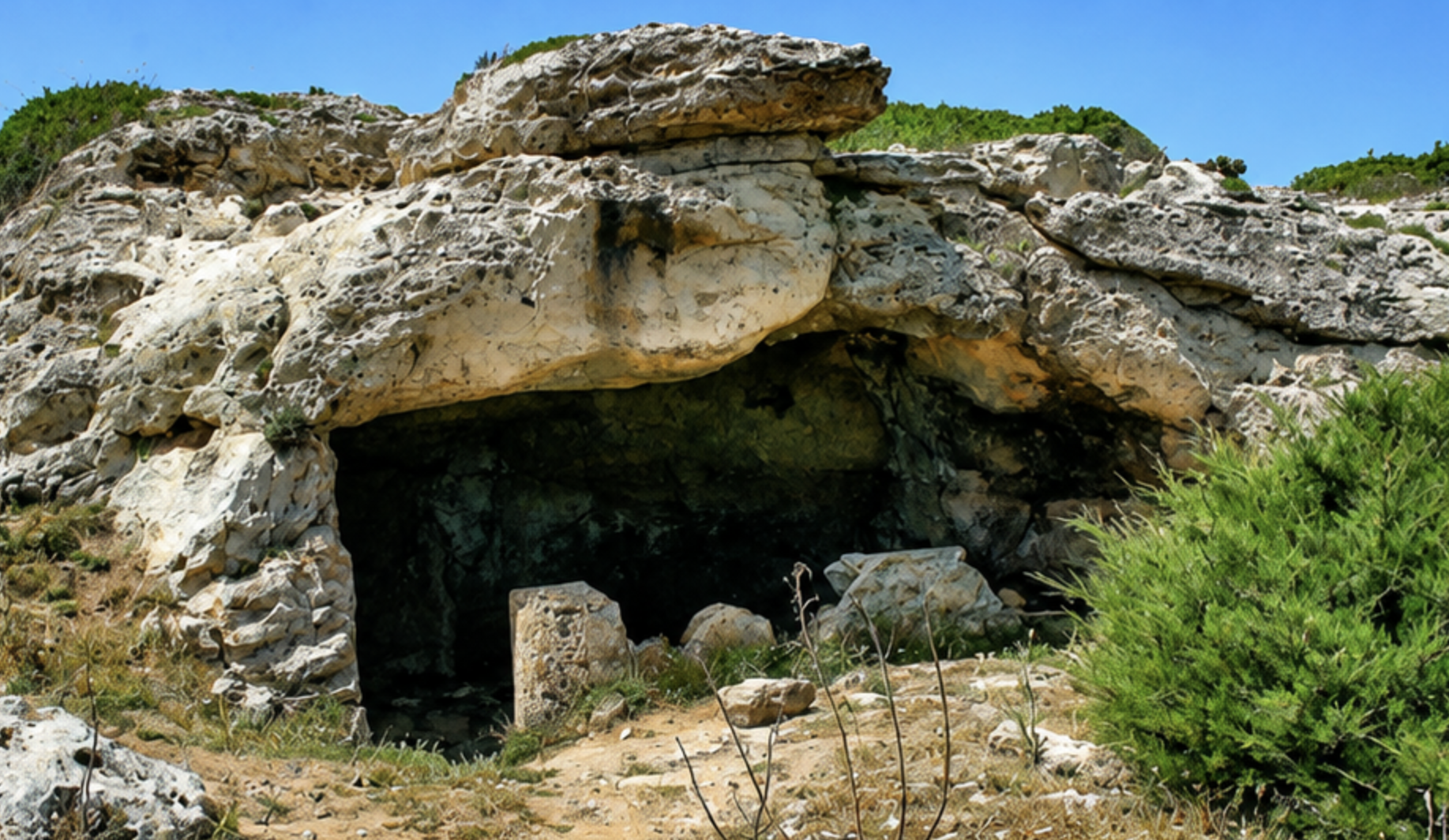
This cave was also used as a lookout point, at least during the 18th century. This likely explains the presence of a dry-stone wall that blocked a large part of the entrance. These uses led to the disappearance of any archaeological remains.
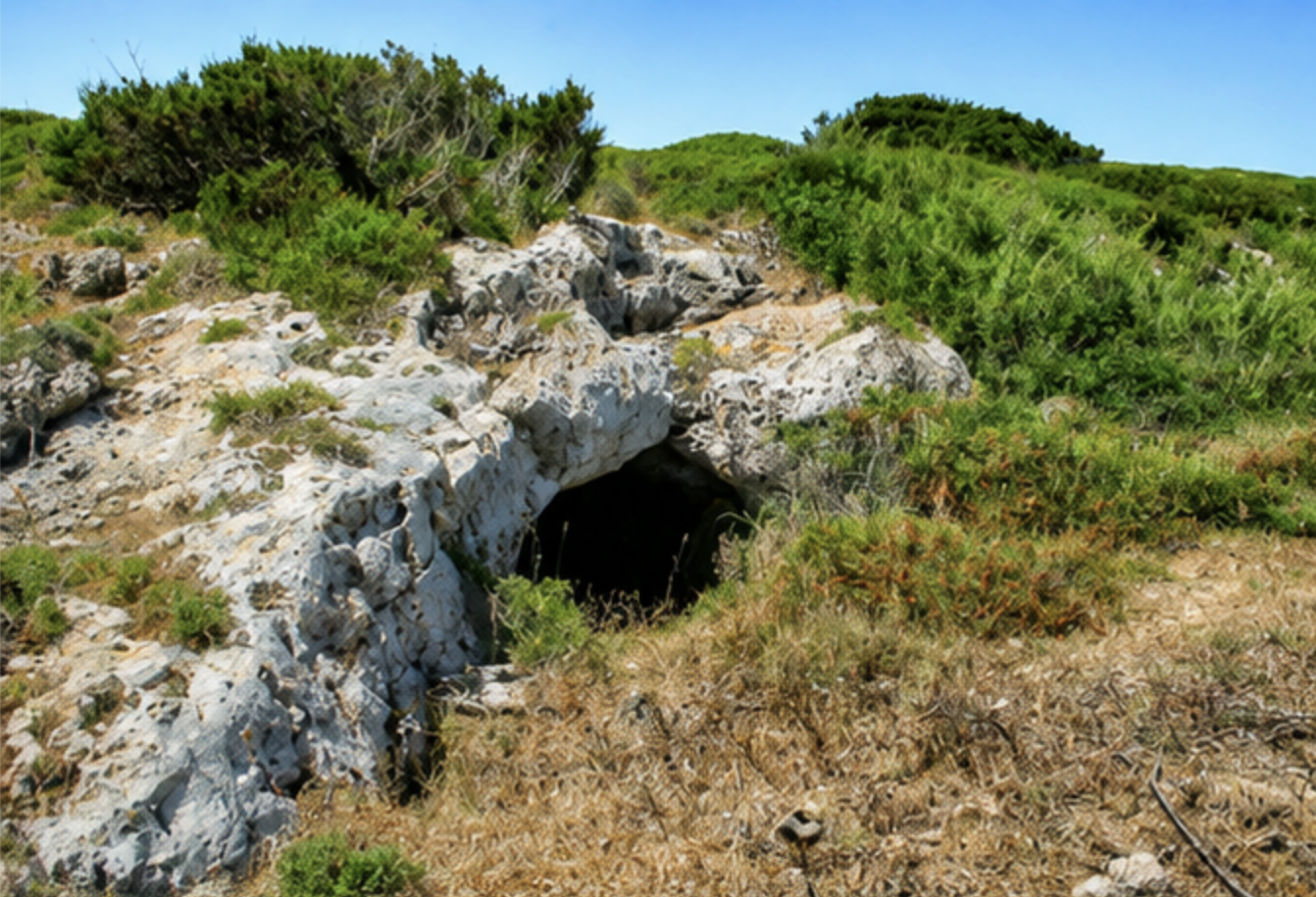
This cave is located on the same rock ledge where two Bronze Age hypogea—or artificial burial caves—are found. In this instance, however, the cave is of natural formation. It is filled with sediment, part of which appears to have accumulated naturally. No archaeological material has been observed or recorded there; consequently, there is no evidence of its use for funerary purposes or for any other function.
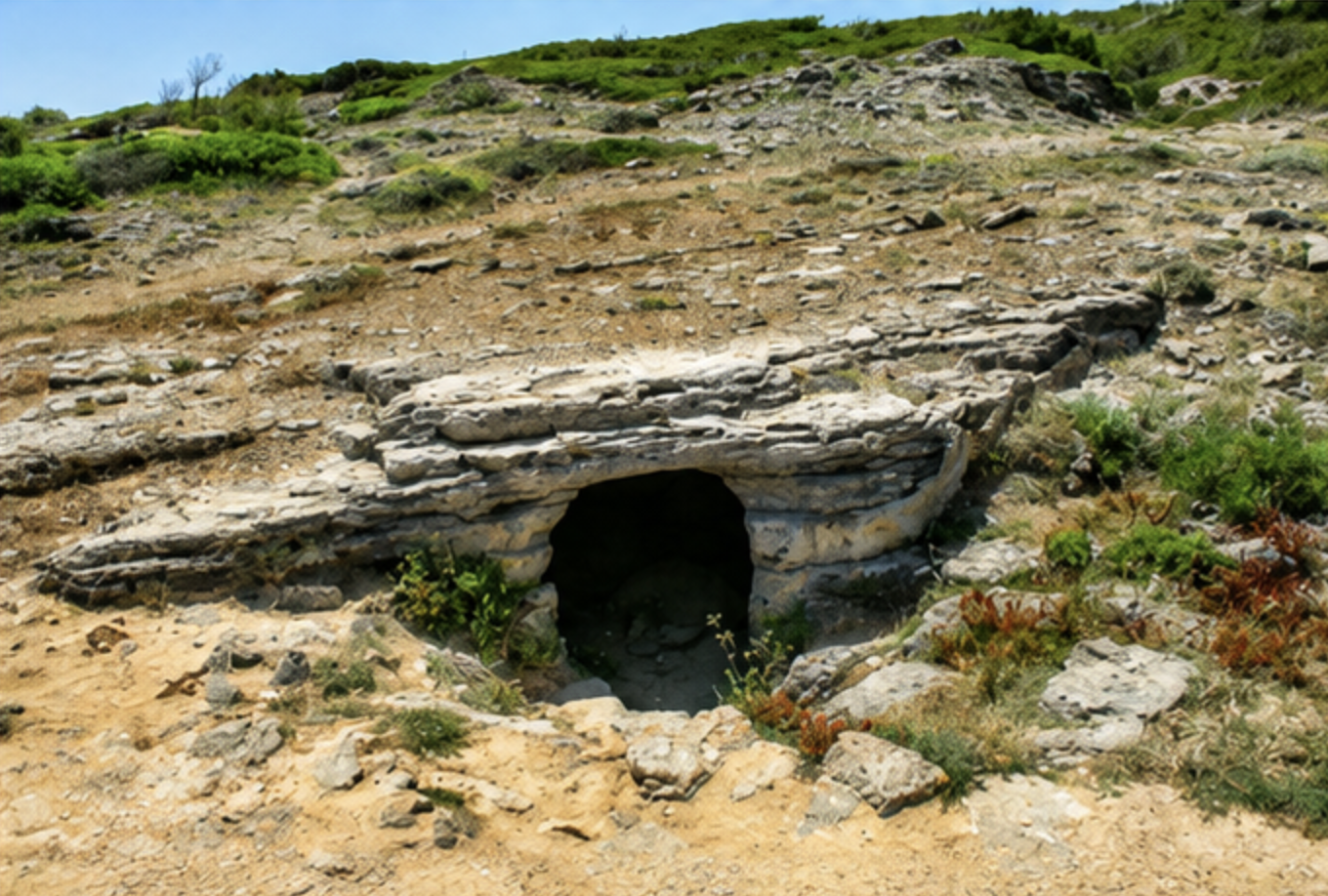
Dolmens are collective funerary structures. The societies that built them were agricultural and pastoral communities living in small settlements of huts.
On the island of Mallorca, only three have been found: Son Real, Son Bauló, and s’Aigua Dolça—all located in the Bay of Alcúdia. These are the island’s earliest megalithic monuments.
The practice of building dolmens was abandoned for unknown reasons, possibly due to the use of other nearby sites, such as the hypogeum at Son Real or Sa Coveta.
Among the remains discovered, a fragment of slate stands out; this suggests contact with Menorca, where such material—which does not exist on Mallorca—is found.
Get inspired, discover things to do, check out the latest updates, and experience Can Picafort before, during, and after your trip.